PAYE workers being “left behind” says Bacik
Mike Finnerty 22 Apr 2026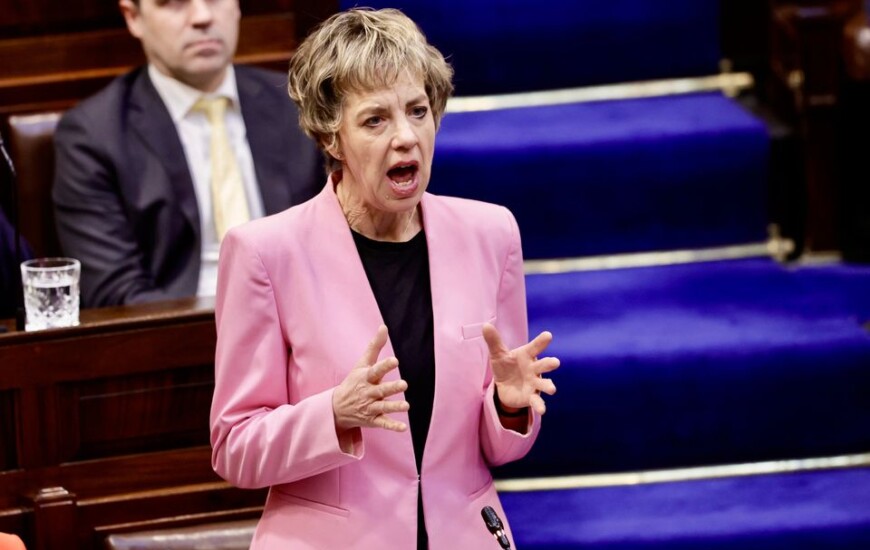
Labour leader Ivana Bacik has said that PAYE workers are being “left behind” as the cost-of-living crisis escalates further.
Since arriving on Irish shores in late 2021, the cost-of-living crisis has brought back the spectre of 1970s-style stagflation where prices rise, but wages stay stagnant.
The government’s recent rounds of support have left PAYE workers without a modicum of support, according to Bacik.
The €500 million support package announced on April 12, coupled with a €800 million tax cut for hospitality in last year’s Budget, has left workers feeling out in the cold, per Bacik.
The Dublin Bay South TD said “families and workers across the country are under sustained pressure, struggling to keep up with rising electricity and gas bills, soaring grocery prices, and increasing rents and mortgage costs.”
“For many, the reality is stark: people do not know how they are going to pay their bills. Over 320,000 households are now in electricity arrears and a further 180,000 in gas arrears, the highest levels ever recorded. This is a clear signal that the current approach from this government is inadequate and deeply damaging.”
Bacik said, “this government has withdrawn the very supports that helped households weather previous energy shocks; energy credits and reduced VAT rates brought some relief, yet these have not been replaced with any meaningful targeted support.”
“Instead, we have seen limited and untargeted measures, alongside tax decisions that have failed to prioritise ordinary workers. The refusal to index income tax bands, despite repeated calls from Labour, has further squeezed PAYE workers, while progress on the living wage and statutory sick pay has been delayed,” she said.
In response to Bacik’s charges, the Taoiseach remarked that Labour were “too afraid” to go into government after the 2024 general election.
“That’s fair enough. That’s your decision, and you opted not to go into government because you were afraid of people outside,” the Taoiseach said.
Labour’s main coalition demand – the establishment of a state housing agency – was rejected out of hand by Fianna Fáil and Fine Gael, with the government opting to rely on rural independents instead.
Indeed, Bacik alleged that the deal with the “Lowry independents” was done before negotiations with Labour took place.
Bacik said that the Taoiseach’s litigating of a political issue from December 2024 and not addressing the crisis of April 2026 is “deeply disappointing.”
“Rather than addressing the urgent reality facing families, he side-stepped the scale of the crisis and failed to set out any clear plan to support those in arrears or at risk of disconnection. At a time when the ESRI has confirmed that Ireland has the highest energy prices in Europe, this lack of urgency is unacceptable,” she said.
Bacik explained, “there are practical and evidence-based measures available to the government,” but accused the government of ignoring the ideas simply because they come from Labour benches.
“We have set out fully costed proposals for targeted, income-linked energy credits to support those most exposed. We have also called for the extension of the moratorium on energy disconnections, which ended in April, and for the development of a national fuel security plan, in line with guidance from the International Energy Agency.”
“In addition, measures to reduce energy demand, including expanded remote work options and investment in public transport and renewable energy, are essential to reducing long-term costs and exposure to volatile fossil fuel markets.
Bacik said, “we are calling for the immediate introduction of targeted energy credits, the extension of protections for households in arrears, and a clear plan to secure Ireland’s energy future. Working people deserve certainty, fairness and support. This government must act now.”
Related News