Buildings at risk list published
Dublin People 17 Nov 2012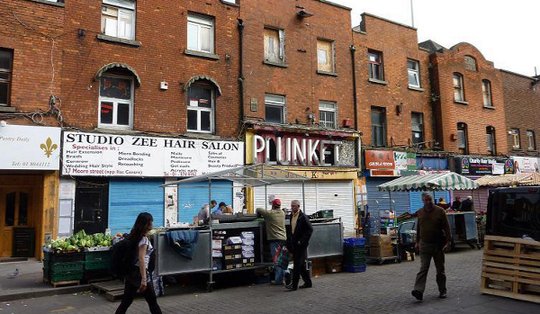
A NEW
‘buildings at risk’ list for Dublin has been drawn up to document the large number of vacant or derelict historic buildings in the city.
The database created by An Taisce includes northside landmarks such as the former Colaiste Mhuire on Parnell Square and the facade of the old Presbyterian Church on Sean MacDermott Street and Dublin City Council is looking at ways to protect the sites.
An Taisce say the property collapse has left a legacy of dereliction and abandonment in Dublin, where buildings and sites assembled for development are now left empty.
The council has legal powers to combat this large-scale dereliction of architectural landmarks and prime city streetscapes but An Taisce say it’s been ineffective in using them.
“This neglect will literally add millions to future refurbishment costs,
? a spokesperson for the group said.
“Concerted effort is now required to prevent Dublin’s return to the ravaged, derelict state which caused so much damage in the 1980s.
“The time for taking action to secure a building is when is becomes vacant or when signs of vandalism or water damage appears, not after the roof has been allowed to collapse or the site becomes dangerous.
?
An Taisce also called on NAMA to address the maintenance of buildings in its loan portfolio, both protected structures and building stock generally.
“This is simply good commercial sense,
? the spokesperson said.
“Dereliction will bring about diminution of the asset value of the building itself and a blighting effect on the surrounding area which will in turn accelerate falling asset value.
“New forms of innovation, entrepreneurship and property management structures are needed, particularly to find temporary uses for empty and derelict buildings.
?
An Taisce site the creation of a vibrant quarter in Temple Bar during the
’80s.
“Instead of demolishing the streets and buildings, which it was assembling for the intended central bus station, CIE leased the space to artists and small business on a short-term basis.
“This is a model that needs to be replicated across the empty building stock of the city at large and turns a challenge into an opportunity to create new uses and activities which will play a key role in the future regeneration of the city.
?
The
‘buildings at risk’ list can be viewed on An Taisce’s Facebook page.
Related News