EU delegation confronted by Dublin housing reality
Padraig Conlon 03 Jun 2026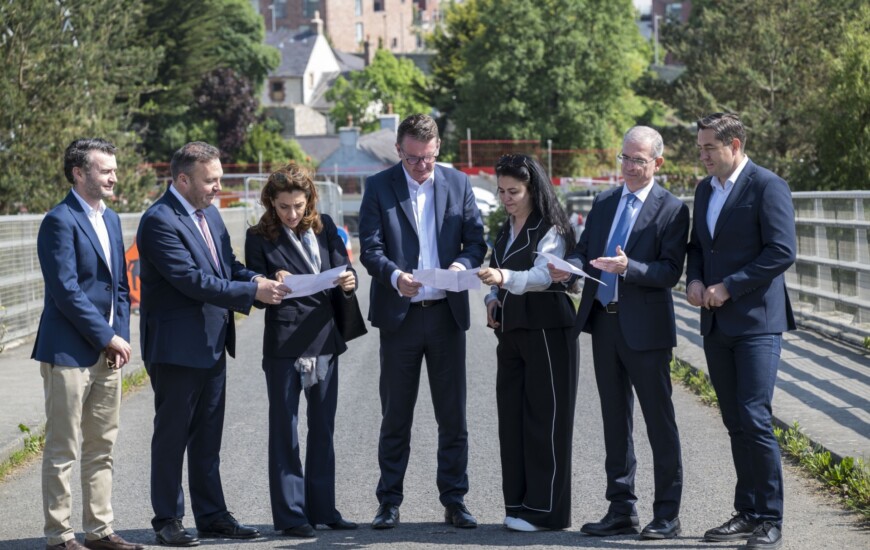
A delegation of European politicians visiting Dublin last week heard repeated warnings about a housing crisis that is leaving increasing numbers of working people trapped between soaring rents and a shortage of affordable homes.
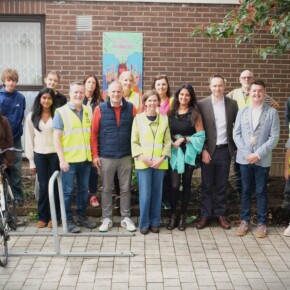
Members of the European Parliament’s Housing Committee spent three days in the capital, from Tuesday (26th) to Thursday (28th), examining the causes of Ireland’s housing crisis and the impact it is having on renters, families and young people struggling to secure stable accommodation.
The delegation included Irish MEPs Aodhán Ó Ríordáin, Ciaran Mullooly and Luke Ming Flanagan, alongside committee chair Irene Tinagli, who led the visit.
Speaking after the trip, Tinagli said “affordability is at the core of the housing crisis” and warned that many people are now being squeezed out of both the rental market and social housing supports.
“Too many people earn too much for social housing but too little for today’s rents,” she said.
“Families and young people bear the brunt of the housing crisis and lone parents like Janet and Flavia whom we met are particularly at risk.”
Her comments reflect a growing sense of frustration among renters across Dublin, where high housing costs and limited supply continue to dominate everyday life despite repeated promises of progress from Government.

Pictured at the Mansion House:Mansion House L-R: MEP Marko Vešligaj (S&D, Croatia), MEP Georgiana Teodorescu (ECR, Romania), Lord Mayor of Dublin Ray McAdam, MEP Irene Tinagli (S&D, Italy) – chair, MEP Marco Falcone (EPP, Italy), Fearghas Ó Béara, head of European Parliament liaison office in Ireland
For many younger workers, the traditional milestones of adult life are increasingly being delayed or abandoned altogether.
Large numbers remain living at home well into their late 20s and 30s because moving out has become financially unrealistic.
Others are postponing plans to start families or buy homes because of uncertainty in the rental market.
Tinagli said the housing crisis was no longer confined to those on lower incomes and stressed that many workers now find themselves caught in a financial grey area.
The delegation heard that while some households earn too much to qualify for social housing, they still cannot afford market rents or purchase prices in Dublin.
“The solutions are out there. They exist,” Tinagli said.
“To meet demand and tackle the affordability gap, homes need to be built across the full spectrum, social housing, subsidised rental and genuinely affordable houses and apartments.”
Housing remains one of the most politically sensitive issues facing the Government, with ministers continuing to point towards rising construction levels and expanding housing pipelines as evidence that the system is beginning to improve.
But many renters and first-time buyers say they have yet to see meaningful change in their own lives.
Rents across much of Dublin remain punishingly high and competition for available accommodation continues to intensify.
Tinagli acknowledged that housing pressures are affecting cities across Europe, but said each country faced its own specific challenges.
“Solving the housing crisis requires partnership at every level, communities, councils, government and Europe working together,” she said.
The delegation’s visit comes ahead of Ireland’s upcoming presidency of the Council of the European Union, where housing is expected to become an increasingly prominent issue across the bloc.
In December 2024, the European Parliament established a Special Committee on the Housing Crisis in the European Union to put forward solutions for decent, sustainable, and affordable housing for all EU citizens.
For many Dublin renters, however, the crisis feels far more immediate than diplomatic.
Despite years of plans and announcements, increasing numbers of Dubliners still feel locked out of the possibility of secure and affordable housing in the city where they live and work.
Related News