International Criminal Court wins Sakharov Prize
Padraig Conlon 22 Oct 2026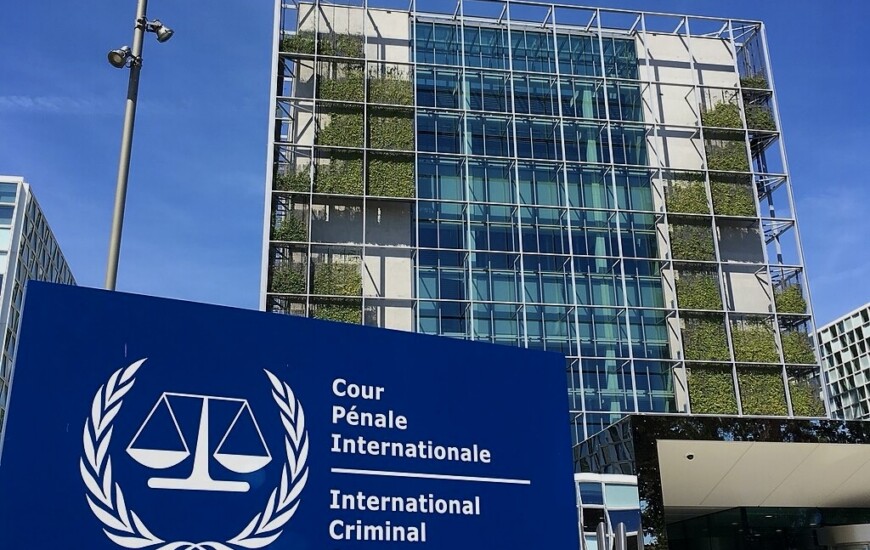
The International Criminal Court and its officials were awarded the 2026 Sakharov Prize today, as the court faces US sanctions condemned by MEPs as attacks on international justice.
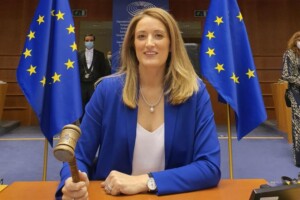
European Parliament President Roberta Metsola (pictured above) announced the award this morning, recognising the institution’s work investigating and prosecuting some of the world’s gravest crimes.
The decision comes amid repeated parliamentary demands for stronger EU protection for the court, its judges, prosecutors, staff and partners against foreign pressure.
“The European Union is built on respect for multilateralism and international institutions,” Ms Metsola said.
“With the award of the Sakharov prize to the International Criminal Court and its officials, the European Parliament recognises the Court’s important work in upholding international law and justice,”
The prize is awarded collectively to the court and its officials.
The presentation ceremony will take place in Strasbourg in December during Parliament’s plenary session.
Established in 1988, the Sakharov Prize is named after Soviet physicist and political dissident Andrei Sakharov.

It honours individuals or organisations working to defend human rights, freedom of expression, minority rights, international law, democracy and the rule of law.
This year’s choice links that recognition directly to the court’s work seeking accountability for atrocity crimes, and to the officials responsible for pursuing those cases.
The ICC investigates and, where warranted, tries individuals charged with genocide, war crimes, crimes against humanity and the crime of aggression.
Governed by the Rome Statute, it is the world’s first permanent international criminal court.
It operates as a court of last resort, complementing national courts rather than replacing them.
The award recognises work spanning investigations, prosecutions, trials and the issuance or authorisation of arrest warrants.
It also places renewed attention on the pressures facing those carrying out that work.
In its 2025 annual reports on foreign policy and human rights, Parliament expressed deep concern about growing threats and successive waves of sanctions imposed on the court since 2025, notably by the United States.
MEPs described measures targeting the institution and those working with it as serious attacks on the international justice system.
The ICC president and several judges visited parliamentary committees in 2025 and 2026 to explain how US sanctions had affected both their professional duties and their personal lives.
Parliament has repeatedly urged the European Commission to activate the EU’s “blocking statute” to protect those working at the court and allow it to operate independently.
The mechanism is intended to counter the effects within the EU of specified foreign laws applied beyond the countries imposing them. It can also enable European operators to seek compensation for resulting damage.
MEPs have welcomed continued EU financial support for the court during what they described as a particularly difficult period for international justice.
All EU member states are parties to the Rome Statute. Parliament has emphasised their obligations to implement ICC decisions, while warning that disregard for international law threatens the rules-based international order.
Related News