Homeless figures on track to break 20,000 by next general election
Mike Finnerty 25 Nov 2026
With homeless figures on track to exceed 20,000 by the next general election, the opposition has said that the government have given up on taking the issue seriously.
The most recent round of figures, which were delayed owing to industrial action in local authorities, saw 18,065 people in homeless accommodation in Ireland.
Of that figure 5,897 of those are children.
The total number of homeless people in Ireland is just shy of the capacity of the RDS Arena.
The figures were released without comment from Minister for Housing James Browne, with media outlets not informed about the figures being published.
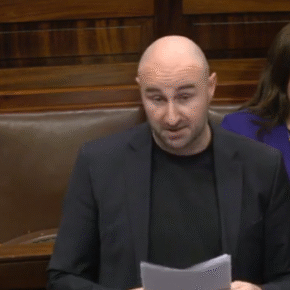
Sinn Féin TD Eoin Ó Broin said that the government’s response to the homeless crisis is in “freefall.”
The Sinn Féin housing spokesperson said that the government has “no plan” to stop people from falling into homelessness, nor is there a plan to accelerate people’s exit from emergency accommodation.
“That is why the numbers of people, including children, trapped in unsuitable emergency accommodation continue to rise every month,” O’Broin noted.
Figures have risen nearly every month since the Fianna Fáil/Fine Gael/indepndents government took office in January 2025; the figures stood at 15,286.
At the current rate of growth, the figure will exceed 20,000 by the time of the next general election in either 2028 or 2029.
In March 2018, then-Taoiseach Leo Varadkar declared the homeless crisis a “national emergency”; when he made those comments, homeless figures stood at 9,681.
Ó Broin said that the government’s long-awaited child and family homelessness action plan was lacking.
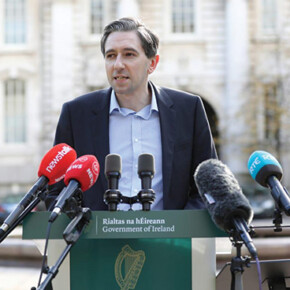
Launching the plan, Minister for Housing James Browne claimed “tackling homelessness and housing precarity is my priority as Minister.”
He said that the action plan is a “critical part of the wider response to homelessness and is founded on a clear principle: homelessness should be prevented wherever possible and, where it does occur, it should be rare, brief and non-recurring.”
Picking apart the numbers beneath the plan, Ó Broin noted that the document contains no targets for reducing the number of families with children in emergency accommodation or becoming homeless.
“There is no increased funding for an accelerated delivery of social and affordable homes. Nor has the Minister reversed his disastrous decision to slash funding for vital homeless prevention schemes like tenant-in-situ,” he noted.
Sociologists note that “invisible homelessness,” which includes people sleeping in cars and sleeping on couches of friends and family members, means that the true number of homeless people in Ireland is likely higher than 20,000.
Catherine Kenny, CEO of Dublin Simon Community, warned of the danger of accepting these historic high numbers as a “new normal”
“5,000 women living in emergency accommodation is a terrible milestone. Behind every single one of these numbers is a woman experiencing trauma, instability, and fear. Some are single mothers battling to keep routine and dignity alive for their children in cramped emergency settings. Many others are women living with complex health, trauma, or addiction needs, for whom emergency accommodation can never be a long-term answer,” she said.
“We cannot allow this level of homelessness to become background noise or accepted policy reality; we need courage, targeted investment, and immediate execution from government to reverse this trend and offer these women a clear path back to a safe, stable home,” she said.
Related News