Keeping pets safe this Halloween
Dublin People 22 Oct 2026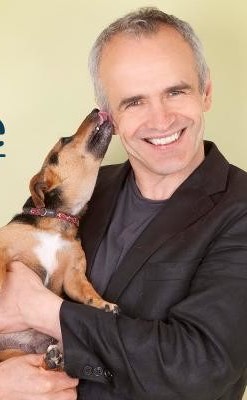
By Darren J. Prior
A well-known vet has spoken to Dublin People to offer advice to pet owners on how they can help their pets avoid traumatic experiences at Halloween this year and every year.
Pete Wedderburn, better known as Pete the Vet from his many television and media appearances, told Dublin People that animals in general “evolved to be familiar with certain loud sounds and flashes like thunderstorms and so on”.

However, according to Pete, they have not evolved to be “familiar with what fireworks cause, which is extremely loud bangs and squeals and whines and very bright flashes”.
This means that animals can find Halloween “highly stressful because as far as they are concerned it could be the end of the world.
“It is not anything they have witnessed before and so it causes a great deal of fear and the fear can lead to panic and animals behaving in kind of wild ways as they try to find safety”.
Many people in Ireland and around the world are unaware of the range of strategies available to pet owners to help their animals cope with fireworks.
According to Pete, there are several measures that pet owners can take to help ensure that their pets, particularly dogs and cats, get through the Halloween period, which can extend throughout October, with as little distress as possible.
Some of these strategies may be well known to many people, while others may not.
The first is to make sure that your pet is microchipped.
While it is a legal requirement for all dogs in Ireland to be microchipped, this requirement does not currently apply to cats.
The “reason I say this is is that very commonly around Halloween vets are faced with loads of animals that have strayed because they have been frightened by a firework and they run out of their own territory and they get lost”.
If a pet is microchipped and its owner’s contact details are correct and up to date on the database, the animal can be quickly identified and returned to its owner if it is brought to a veterinary practice.
Pete also recommends that dog owners avoid walking their dogs at night during the Halloween period.
Crucially, he also advises cat owners not to allow their cats to roam outdoors after 3pm.
“You can take your dogs for walks alright but it would be better to take them out for walks during daylight hours, so that probably means kind of 9.00am-3.00 pm”.
Pete also recommends playing music at a reasonably high volume in the home to help mask the sounds of bangers and fireworks outside.
This can help many animals indoors. However, he also emphasises the importance of pet owners remaining calm when their animals become distressed.
If “you get yourself into a state of high anxiety worrying about your dog and sort of frantically petting them and reassuring them you can actually give them a heightened sense of anxiety”.
There is also a form of dog “sound therapy and firework training” available to download from the Dogs Trust website.
Dog owners can play these recordings gradually over the months leading up to Halloween to help their dogs become accustomed to the sounds of fireworks while indoors.
In relation to the deliberate cruelty to animals that can sometimes occur involving fireworks around Halloween, Pete points out that if “you see anything like that – take photos, take videos and then you can report that to the authorities such as the NSPCA and action will then be taken against such people.”
Related News