Dublin is becoming a city that closes early
Padraig Conlon 23 Sep 2026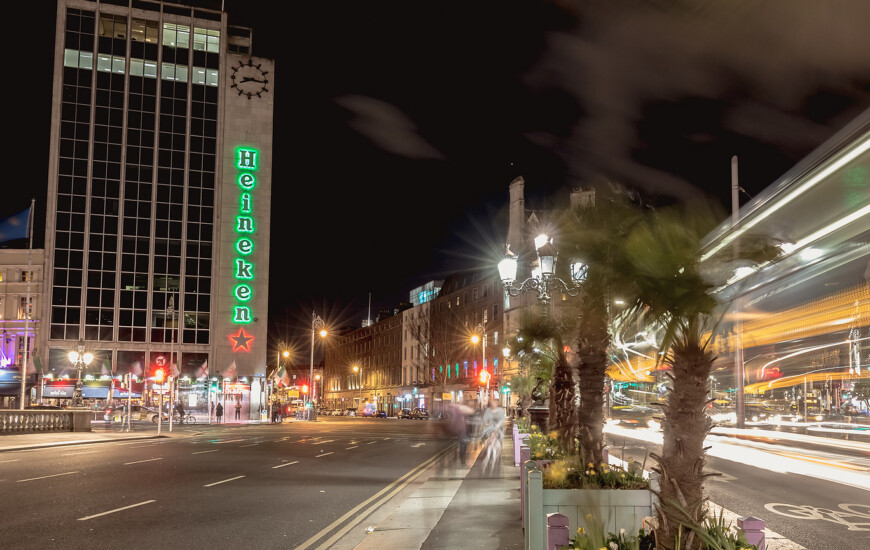
The number of late-night openings by Dublin pubs and nightclubs fell again last year, extending a decline that has left the capital with substantially fewer late drinking and socialising options than before the pandemic.
Figures recently published by the Licensed Vintners Association show that late bars and nightclubs in Dublin secured 12,726 Special Exemption Orders during 2025, down by 336, or 2.6 per cent, on the previous year.
The number of extended openings in the capital has fallen by 1,617 since 2018, when 14,343 orders were issued. This amounts to a decline of more than 11 per cent over seven years.
After reaching 14,176 in 2022, Dublin’s total slipped to 14,036 in 2023 and then fell more sharply to 13,062 during 2024, before another decline last year.
Dublin accounted for more than four in every 10 late-night openings recorded across the State last year.
Nationally, late bars and nightclubs operated for extended hours on 30,651 nights in 2025, compared with 31,601 in 2024.
The total was almost 7,000 below the 37,597 recorded in 2018, a fall of more than 18 per cent.
The number declined to 34,861 in 2019 before recovering to 35,942 in 2022, after pandemic restrictions were lifted.
It has fallen in each year since then, dropping to 34,064 in 2023, 31,601 in 2024 and 30,651 last year.
The figures are based on the number of Special Exemption Orders issued by the courts.
A pub or nightclub seeking to serve alcohol beyond ordinary licensing hours must obtain an order for each individual night it plans to remain open late.
An exemption allows a venue to serve for an additional two hours.
Premises may serve until 1.30am from Monday to Thursday and until 2.30am on Friday and Saturday. Sunday closing time is extended to 1am.
Each application costs €205 before solicitors’ fees, comprising a €150 court charge and €55 in excise duty.
The LVA said a venue opening late three nights a week would pay almost €32,000 annually, excluding legal costs.
The organisation, which represents Dublin publicans, is calling on the Government to cap the price of each order at €100 in Budget 2027.
It estimates that reducing the charge would cost the exchequer approximately €3.2 million a year.
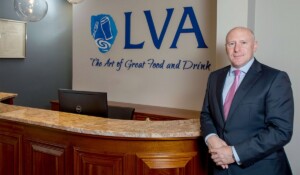
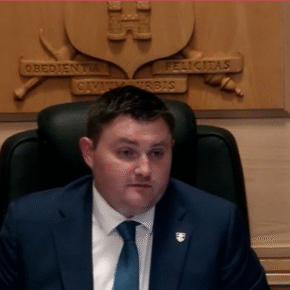
LVA chief executive Donall O’Keeffe (pictured above) said the continuing decline was reducing the public’s late-night socialising options and damaging the viability of businesses already facing significant operating costs.
“Around the country, there were almost one thousand fewer late nights last year than there were available the year before,” he said.
“A significant factor behind that is the extremely high cost of doing business.
That in turn is driven by the cost associated with securing a Special Exemption Order to keep doors open late.”
The association also criticised the delay in enacting the Sale of Alcohol Bill, which was intended to overhaul Ireland’s licensing laws and simplify the system governing late opening.
Under proposals previously advanced by the Government, nightclubs would be able to apply for annual licences allowing them to remain open later, rather than seeking court approval for individual nights.
Mr O’Keeffe said the reduction sought by the industry could be introduced immediately while the wider legislation remains outstanding.
“Cutting the cost of Special Exemption Orders is a relatively low expense for Government,” he said. “It is also a simple measure that can be immediately adopted on budget night to assist the viability of late opening by late bars and nightclubs.”
He warned that without intervention, the number of extended openings would continue to diminish, weakening the capital’s late-night economy and leaving customers with fewer options.
Related News