Children go without asthma medication because of cost, organisation says
Dublin People 10 Aug 2026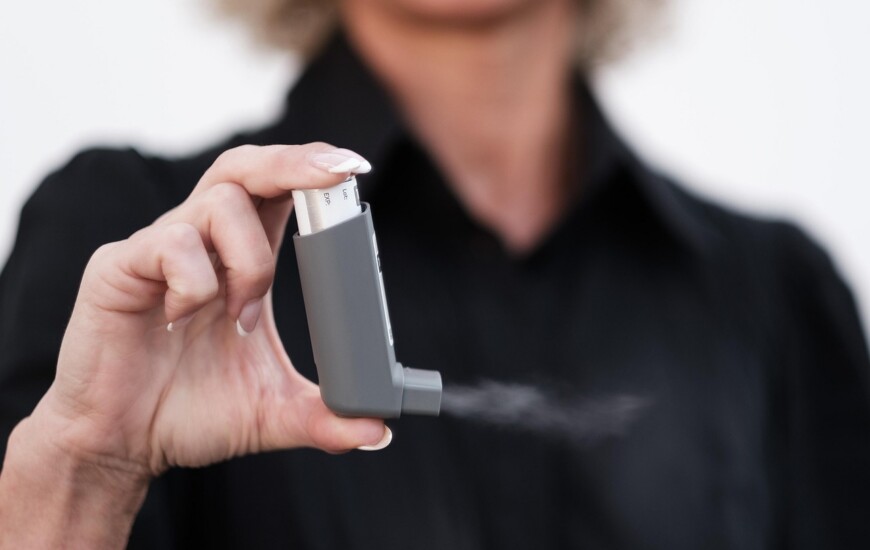
The Asthma Society of Ireland is urging the government to take action after new research revealed that almost one in ten parents says their child has gone without their prescribed asthma medication because of financial pressures.
Launching its 2027 Pre-Budget Submission, Backing Every Breath, Building Better Care, the Asthma Society is calling for the phased introduction of free Maintenance and Reliever Therapy (MART) inhalers for people with asthma, beginning with children aged 12–17 years.
The organisation says the measure would remove a significant financial barrier to a recommended asthma treatment, improve health outcomes for children with asthma, reduce pressure on hospitals and deliver long-term savings for the health service.
The proposal, which is the Society’s central Budget recommendation, would have an estimated annual cost of €12.1 million. MART inhalers are recommended in Irish and international clinical guidelines as the preferred treatment for most people aged 12 and older. They simplify asthma management while reducing the frequency and severity of asthma attacks.
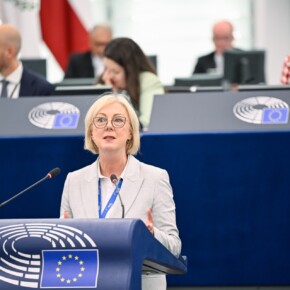
Eilís Ní Chaithnía, CEO of the Asthma Society of Ireland, said families should not face an impossible choice between meeting essential household expenses and obtaining prescribed treatment for their children.
“Asthma is increasingly a cost-of-living issue, an equality issue and a public health issue. No family should have to decide whether they can afford the medication their child needs,” said Ms Ní Chaithnía.
“We know which treatments are recommended. We know they reduce severe asthma attacks, improve quality of life and help keep people out of hospital. Yet financial pressure continues to put this care beyond the reach of too many families.”
Michelle Cusack Sexton, whose daughter Gemma has asthma, said the ongoing expense of managing the condition can place considerable strain on families.
“After Gemma had a severe asthma attack, she went from being a world champion kickboxer to being afraid to train again. Moving to a MART inhaler has made a huge difference to how well her asthma is controlled, but the cost of managing her condition still places a real strain on our family every month,” she said.
“Watching your child struggle to breathe is something no parent should ever experience. I hope this Budget will ensure that every young person with asthma can access the care they need, regardless of their family’s financial circumstances.”
The Society’s latest survey of parents and guardians of children with asthma found that 46% said the condition places a financial strain on their household. 9% reported going without their child’s prescribed medication during the previous three months because of financial pressures.
The consequences extend far beyond household finances. More than half of respondents, 57% , said their child had missed school because of asthma , while 61% reported that their child had experienced disturbed sleep due to their asthma – a sign that their asthma may not be properly controlled. Almost half of parents, 48%, had taken time off work to care for their child with asthma.
The findings come at a time when Ireland continues to have one of the highest rates of asthma in the world, with approximately 450,000 people diagnosed with asthma. The condition also places a significant burden on Ireland’s healthcare system and economy, costing the State an estimated €1.2 billion annually through healthcare expenditure, lost productivity and reduced quality of life.
The Asthma Society says the research highlights the growing financial burden of managing asthma and strengthens the case for urgent action in Budget 2027.
Adolescence is also one of the most critical stages in asthma care. As responsibility for managing the condition shifts from parent to young person, adherence to treatment often declines. Many teenagers rely on reliever inhalers rather than preventative treatment to control the underlying inflammation that causes asthma. This increases the risk of avoidable asthma attacks, emergency hospital admissions and poorer long-term health outcomes.
Ms Ní Chaithnía added: “Investing in recommended treatment today would mean fewer emergency admissions, fewer missed school days, fewer parents having to take time off work and, ultimately, fewer preventable asthma deaths.”
“Investing in recommended treatment today would mean fewer severe asthma attacks, fewer emergency admissions, fewer missed school days and fewer parents having to take time off work. Budget 2027 gives government a clear opportunity to improve the health and everyday lives of tens of thousands of children with asthma.”
While the Budget submission prioritises improved access to treatment, it also highlights wider challenges facing asthma care in Ireland. Despite asthma being a condition that can be effectively managed, avoidable hospital admissions remain double the EU average. Fewer than one in ten patients enrolled in the HSE’s Chronic Disease Management Programme has undergone spirometry testing to objectively confirm their diagnosis, and the condition continues to place considerable pressure on the health service.
Perhaps most alarming is its human cost. 81 people died from asthma in Ireland in 2023, with provisional figures indicating 94 deaths from asthma in 2024. Ireland now has the second-highest asthma mortality rate in the European Union, while women are almost twice as likely as men to die from the condition.
The Asthma Society says many of these deaths could potentially be prevented through timely diagnosis, equitable access to recommended treatment and improvements in asthma care.
The Asthma Society’s 2027 Pre-Budget Submission, Backing Every Breath, Building Better Care, outlines a series of targeted investments to improve asthma diagnosis, treatment and long-term respiratory health across Ireland.
Alongside the phased introduction of free MART inhalers for children aged 12–17, it calls for greater investment in diagnostic services, enhanced severe asthma care, expanded vaccination programmes for vulnerable groups, stronger smoking cessation supports and healthier home environments. Together, these measures would help reduce asthma attacks, improve quality of life and prevent avoidable deaths.
To find out more about the Asthma Society of Ireland and its services, visit www.asthma.ie.
Related News