A stronger democracy starts with us
Dublin People 28 Oct 2026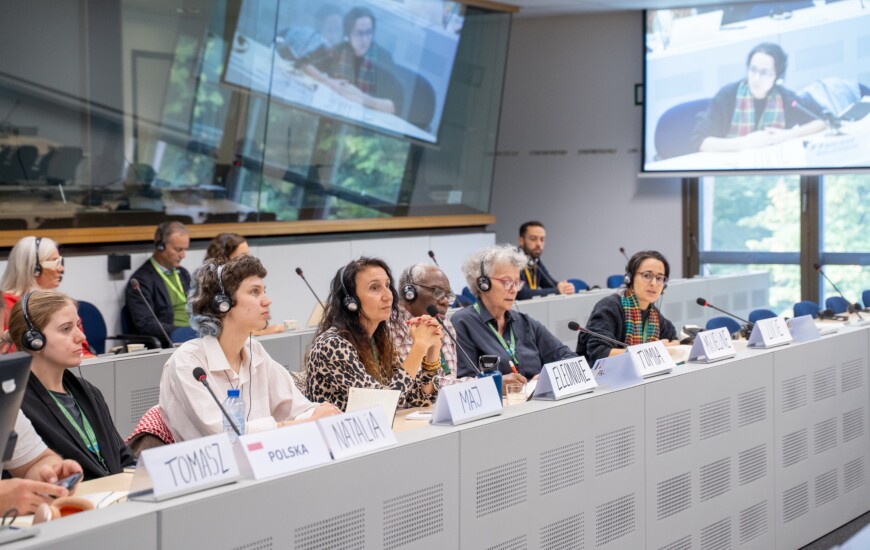
From recognising misleading information to making room for different opinions, everyday experiences are helping shape a European debate on protecting democracy.
A claim appears in your social media feed. It provokes a strong reaction, attracts comments and is quickly shared.
But where did it come from, and how much of it can you trust?
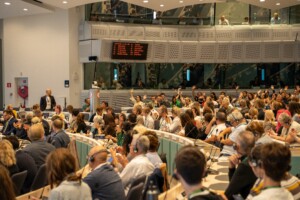
Democracy is strongest when citizens participate.
How people find and assess information is one of the questions being examined by the European Citizens’ Panel on Democratic Resilience.
For Dubliners, it is a discussion with clear relevance.
The information we encounter helps shape how we understand public decisions, view our communities and take part in debate.
When misleading content enters that conversation, it can become harder to establish common ground.
Equally, people need to feel confident that they can ask questions, express an opinion and disagree without being pushed out of the discussion.
The panel is exploring these everyday foundations of democratic life: access to reliable information, opportunities to participate and confidence that different perspectives will receive a hearing.
Its 150 participants come from all 27 EU Member States, including Ireland.
Selected through a recruitment process designed to reflect the EU’s diversity, they bring different ages, backgrounds and experiences to the table.
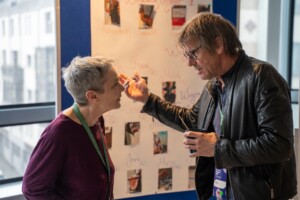
Participants debating in Brussels.
They are supported by professional facilitators and independent experts, with interpretation available in all 24 official EU languages. One-third of participants are under 29.
Their discussions consider how people can recognise misleading online content, what helps them speak openly and how democratic participation can become more accessible in local communities.
Schools, workplaces and local organisations also feature in that conversation.
These are places where people can develop the skills to assess information, listen to different views and contribute to public debate.
Another question is how to ensure that women, younger people and other groups that are often under-represented have a meaningful voice in decisions affecting them.
The panel met in Brussels in September and continued its work online from October 16–18. During that second session, participants began drafting recommendations, which they will refine and finalise in Brussels from November 20–22.
Those recommendations will go to the European Commission to help inform its work on strengthening democracy.
The panel forms part of the European Democracy Shield, the Commission’s strategy to protect, reinforce and empower democracies across the EU.
But the conversation extends beyond the people selected to participate. Through the Citizens’ Engagement Platform, Dubliners can contribute their own experiences and suggestions to the accompanying Democratic Resilience Debate.
That could mean identifying something that makes public discussion difficult, suggesting how communities could become better informed or sharing an idea for involving people who rarely get heard.
Community groups and schools can also organise discussions connected to the debate and share their conclusions through the platform.
The aim is to bring citizens’ experience into the development of European responses.
Protecting democracy involves institutions and governments, but it also depends on the conditions that allow people to participate in everyday life.
For anyone with an idea about improving those conditions, there is an opportunity to contribute.
Find out more about the Citizens’ Panel on Democratic Resilience or join the discussion through the Citizens’ Engagement Platform
Related News