Fianna Fáil Senator calls for end to nicotine pouch “tax dodge”
Dublin People 04 Jun 2026
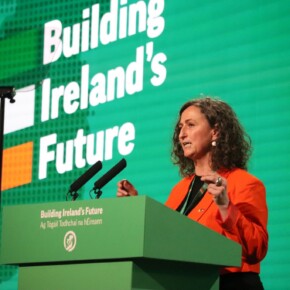
Fianna Fáil Senator for Dublin South-West, Teresa Costello, has called for excise duties on novel nicotine products to be introduced immediately.
Currently, novel nicotine products including electronic cigarettes and nicotine pouches are not subject to excise duty. Standard nicotine products are subject to significant excise duty of over ten euro per packet of twenty cigarettes.
Senator Costello, who serves as Seanad Spokesperson on Health, said that because there is no consistent tax approach, this means that nicotine pouches have become relatively cheap and easy to access, especially for younger people.
“By not charging excise duty, these products remain cheap and young people are often attracted to that cheaper price tag. We charge excise on standard cigarettes which increases the price and helps acts as a deterrent for purchase. We must do this with nicotine pouches too,” she said.
Costello warned that while some of these products are marketed as alternatives to traditional smoking, they can still be harmful and need strong regulation.
“Nicotine is an addictive substance, no matter how it is delivered. Our tax and public health policies need to reflect that,” she said.
The European Commission is currently revising the Tobacco Tax Directive which will see the introduction of excise duty on novel nicotine products, but talks are likely to continue for some time. Costello believes that Ireland should move ahead with its own measures in the meantime.
“Ireland supports these proposals and will work with EU partners, but there is no reason we cannot show leadership in this area and move ahead nationally. I am proposing that we introduce excise duty of the suggested one hundred and forty-three Euro per kilogram. Many nicotine pouches contain around 15g of product, so a pack that currently costs around seven euro would likely rise to about nine euro fifty,” she said.
Senator Costello concluded that bringing in excise duties sooner would send a strong message about Ireland’s commitment to public health and help reduce the use of these products.
“This is about protecting public health. “We have a chance to act now, and we should take it,” she said.
Related News