Mental health crisis care failing those who need it most
Padraig Conlon 04 Feb 2026
The failure to provide emergency mental health services is costing lives, Southside TDs have told the Dáil.
During a Sinn Féin motion on emergency mental health supports in the Dáil last week, Dublin South West TD Seán Crowe said that emergency mental health services in the State are “virtually non-existent” and that people experiencing acute crisis are being funnelled into systems that cannot help them.
“On any given day, more than 100 people will present at an emergency department in extreme distress and there just will not be the services and facilities to support them,” he said.
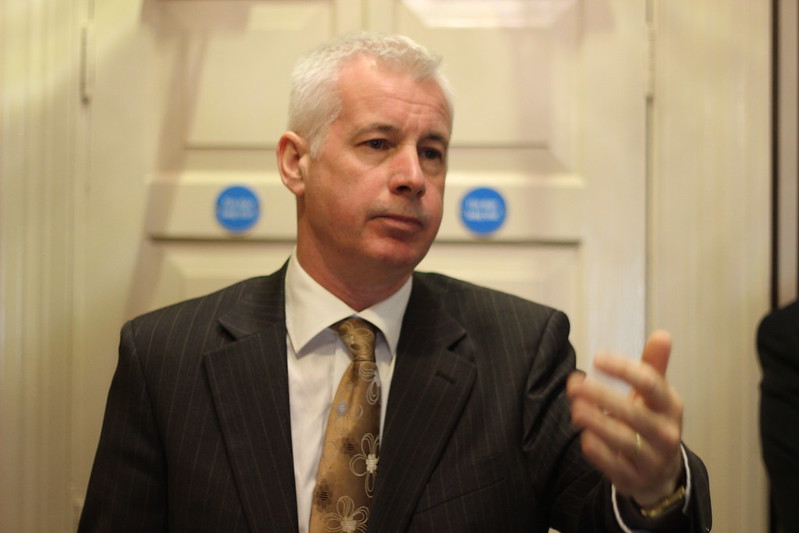
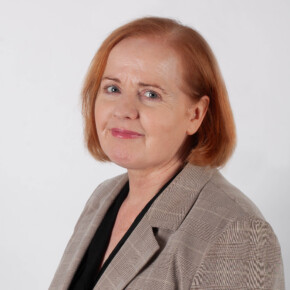
Deputy Crowe (pictured above) said that emergency mental health services remain underfunded, understaffed and largely unavailable when people need them most.
“That failure is costing people’s lives and it is simply unacceptable,” he said.
He told the Dáil that families regularly contact his office desperate for help but are left with no real options.
“People and their families have been crying out for help and we are powerless to do anything other than to suggest they go to an emergency department, where they can hope to be one of the lucky ones who get help,” he said.
Deputy Crowe also recounted a deeply distressing case that had come through his constituency office, illustrating what can happen when there are no appropriate services available.
“Among the cases that have come through my office, I remember a young man coming in who produced a bread knife, which was very scary. He rolled up his sleeves to reveal he had been self-harming,” he said.
“There were no supports for that young man, who ended up in the local Garda station on that occasion. He is no longer with us.”
While praising healthcare staff working in emergency departments, Deputy Crowe said they are being asked to manage situations they are not resourced or designed to handle.
“The healthcare professionals working in our hospitals are amazing but they are not miracle workers and cannot magic up services that do not exist,” he said.
“We cannot continue to funnel people in crisis to emergency departments that are not equipped or resourced to help them. We must ensure hospitals like Tallaght Hospital have the appropriate complement of specialist professionals.”
He said investment in mental health crisis assessment and intervention services must be ringfenced and that particular attention needs to be paid to developing integrated crisis response pathways for children and young people.
“Surely people in the darkest moments of their life deserve a calm, safe and professionally staffed environment,” he said.
“Is it too much to ask for dedicated emergency mental health services, 24/7 crisis teams and local supports? We need them now, not in five or ten years.”
Introducing the motion, Sinn Féin TD for Longford Westmeath Sorcha Clarke said it seeks to fundamentally change how emergency mental healthcare is delivered.
“It sets out a clear plan for a dedicated and clinically appropriate emergency mental health system because too often, people experiencing acute distress are brought into busy emergency departments that are simply not designed to meet their needs,” she said.
Deputy Clarke also referenced a report by the Mental Health Commission entitled “Acute Mental Healthcare in Hospital Emergency Departments in Ireland: A National Survey from the Office of the Inspector of Mental Health Services”.
The report found that “international best practice… is not available in most emergency departments in Ireland”.
People Before Profit TD for Dún Laoghaire Richard Boyd Barrett (pictured above) also spoke in support of the motion, describing the reality faced by public representatives when people in crisis seek help.
“I commend Sinn Féin on tabling this motion on the need for emergency mental health services and stating they should be 24-7 and involve dedicated mental health emergency rooms in level 3 and 4 hospitals,” he said.
He highlighted the lack of clear guidance for TDs and their staff when constituents present in suicidal distress. “On a number of occasions in my clinic, either I or my staff have faced terrifying situations where people have called us or come into us and said they are feeling suicidal. We have no idea what to do,” he said.
“Our staff are traumatised. We are dealing with traumatised people and we do not know what advice to give them as to where to go. Usually, we end up being told to call the police. That is literally all that is available.”
Deputy Boyd Barrett also pointed to reduced emergency department opening hours in parts of south Dublin, saying that the only out-of-hours option is often overwhelmed.
“The only emergency department available out of hours is in St. Vincent’s Hospital, which is overrun and chaotic,” he said.
He raised concerns about people with dual diagnosis, where mental health issues are combined with alcohol or drug use, saying many are turned away due to a lack of specialised services.
“There is often unwillingness to treat people in that situation. I do not blame the staff for that. I blame the lack of specialised dual-diagnosis mental health services, as well as services in the community,” he said.
Looking beyond emergency responses, Deputy Boyd Barrett said many mental health crises involve young people and called for preventative supports within schools.
“I strongly believe that we should have a psychology department in every school,” he said, adding that this approach is common in other countries.
The Government did not oppose the motion, but TDs said that without sustained investment and clear delivery timelines, people in crisis will continue to fall through
the cracks.
Related News