National Allergy Strategy could save lives, says Senator
Padraig Conlon 05 Jan 2026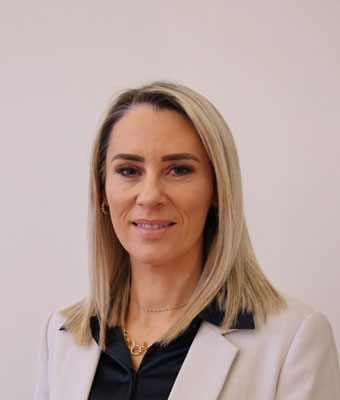
Restaurants and schools need greater support dealing with patrons and pupils who have food allergies, a Fine Gael Senator has said.
Senator Evanne Ní Chuilinn today said gaps in care being provided to sufferers could be addressed properly with the introduction of a National Allergy Strategy.
Senator Ní Chuilinn said: “30% of our population have an allergy, with an estimated 134,000 people in Ireland with some kind of food allergy.
“If they mistakenly eat an allergen, they can suffer with symptoms ranging from swelling, abdominal pain, itching rash or vomiting.
“For those with anaphylaxis, however, the results can prove fatal.
“Currently, all food businesses must declare the presence of food allergens used as ingredients in their foods.
“This is done by having an allergen handbook on display which is easily accessible for the customer.
“But in the UK, it is standard for any food outlet, from high end restaurants to fast food chains – to ask patrons before they place their order if there are any food allergies.
“Why is that not happening as standard practice here?
“Parents of children with food allergies in particular are living on their wits when they send their children to school, to afterschool activities, to parties or to eat out in a restaurant.
“They are hyper-vigilant themselves regarding potential exposure to allergens and come armed with medication, but they say the variance among educational facilities, clubs and eateries in dealing with people with food allergies must be dealt with before another avoidable death occurs.”
Senator Ní Chuillinn said that the current standard of care provided following a diagnosis of food allergy is generally limited to the strict avoidance of the allergens and a prescription for autoinjectors (EpiPen) to treat a serious reaction.
“Schools don’t typically have an emergency medicine policy, so even if there are EpiPens on site belonging to one child – that medicine can’t be used to treat a previously undiagnosed child, should they experience a severe allergic reaction.
“Teachers and SNAs also have no structured training or support to bear the responsibility of treating a child during a severe allergic episode”.
Senator Ní Chuilinn has already called for publicly available EpiPens.
“We’ve seen the visibility of defibrillators at sports clubs, theatres, and schools – we need to see similar temperature-controlled units with anaphylaxis kits beside every defibrillator,” she continued, pointing out that a similar campaign in the UK has saved 12 lives since its’ introduction 18 months ago.
“Oral Immunotherapy (OIT) is another potential treatment which involves a gradual introduction of increasing doses of an allergenic food to help build tolerance and reduce the severity of allergic reactions, including anaphylaxis.
“It is not a new treatment and it is widely used across the world to treat allergies.
“Treatment can be life-changing but is not readily accessible here.
“Families are travelling abroad multiple times a year to access Oral Immunotherapy treatment plans, at significant personal cost.
“This is in spite of Ireland’s position as global leaders in OIT research trials for over a decade.
“There is a clear need for a National Allergy Strategy and to advocate for the need for improved allergy services, education, training and public awareness to address the unmet health and quality of life needs for people living with all types of allergies around the country,” she said.
Related News