Local TDs warn mental health crisis is costing lives
Padraig Conlon 05 Feb 2026
The failure to provide proper emergency mental health services is leaving people in crisis without help and, in some cases, costing lives, local TDs have told the Dáil.
During a Sinn Féin motion on emergency mental health supports debated last week, representatives from Dublin West, Dublin North West and Dublin Central described a system under severe strain, where people experiencing acute mental distress are routinely forced into inappropriate and ill-equipped emergency departments.
Sinn Féin TD for Dublin West Paul Donnelly said mental health services are “in crisis”, with frontline staff struggling to cope amid chronic shortages.
“As has been said repeatedly, mental health services are in crisis. We all know this because we deal with people,” Deputy Donnelly said.
He expressed solidarity with mental health workers in hospitals and community settings, saying they are “doing their best to cope with the situation they are in, despite the lack of staff and supports”.
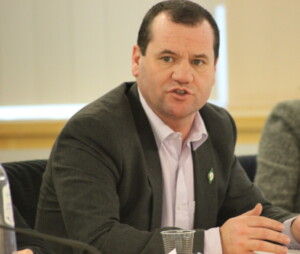
Deputy Donnelly (pictured above) said many people who eventually present at hospital have already tried repeatedly to access community services, sometimes over a number of years.
“By the time many people end up in hospital, they will often have tried to access community mental health supports over and over again,” he said, stressing that early intervention is critical.
He highlighted Genesis, a low-cost counselling service in Dublin 15, saying a relatively small increase in funding could deliver an additional 4,000 counselling hours locally.
“Could we look into something like this?” he asked, describing the service as a vital support for people in the area.
Drawing on his own experience as a former child and family support worker, Deputy Donnelly said access to CAMHS for children and young people has deteriorated rather than improved.
“To be honest, circumstances are probably worse now than when I left the job,” he said.
“That is really bad because we are talking about children and other young people trying to access services.”
He also referenced recent suicides near Connolly Hospital, where railings were installed on a nearby bridge following two deaths.
“It is terribly sad that we are building infrastructure outside a hospital to stop suicides,” he said. “It should be inside.”
Deputy Donnelly said people presenting to hospital with mental health crises should not be treated in standard emergency departments.
“They should be in a separate space receiving mental health services,” he said. “The normal emergency department is not appropriate.”
Labour TD for Dublin Central Marie Sherlock said the motion was both “important and very timely”, given the scale of unmet need.
“We are all acutely aware of the sheer level of demand that is there for mental health services and we know all too well of the lapses in timely care and the very devastating consequences when there are those lapses,” she said.
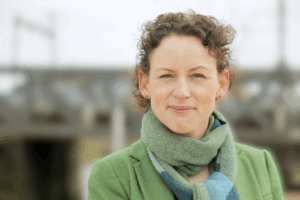
Deputy Sherlock (pictured above) said the absence of 24-hour care and appropriate assessment spaces in hospitals was unacceptable.
“It is unacceptable that assessments are taking place in inappropriate emergency department spaces that are not specifically designed for those with mental health issues,” she said.
She said emergency departments are well set up for physical trauma, but mental health remains the “Cinderella” of the health service, despite its potential for fatal consequences.
Deputy Sherlock cited figures showing 51,000 presentations to acute mental health services every year and referred to a Mental Health Commission report which highlighted inconsistent services and inadequate assessment facilities across hospitals.
She said the practice of requiring patients to be medically cleared before psychiatric assessment in some emergency departments must end.
“That practice is simply unacceptable,” she said.
While welcoming a recent announcement extending emergency mental health services to between 6pm and 2am, Deputy Sherlock said this did not constitute genuine round-the-clock care.
“That, to me, is not 24-7,” she said, pointing out that people presenting in crisis in the early hours of the morning are still left without specialist support.
She also criticised delays in delivering reforms promised as far back as 2016, noting that full pathways are still not in place and are limited to level 4 hospitals.
Deputy Sherlock spoke of the killing of Maud Coffey in 2023, describing it as a stark example of systemic failure.
She said Maud’s partner, who had a diagnosed mental health condition and had stopped taking medication, sought help on the day of the killing but was given an appointment for the following week.
“Two lives were destroyed and two families torn apart, and it could have been avoided,” she said.
She said Maud’s family had spoken powerfully about the failures in the system and expressed hope that her legacy would be meaningful reform.
“Our only hope is that after Maud’s loss of life, her legacy should be that those interventions are there when people present,” she said.
Sinn Féin TD for Dublin North West Dessie Ellis said the delivery of emergency mental healthcare across the State is in crisis, forcing people in psychosis to present at emergency departments that cannot meet their needs.
He said people can wait hours for assessment, sometimes leaving hospital once their immediate psychotic episode has passed, without proper follow-up.
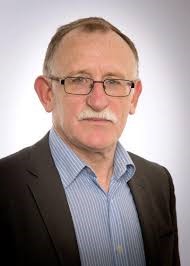
Deputy Ellis (pictured above) referred to findings from the Mental Health Commission which highlighted long delays, particularly during evenings and weekends.
He said demand for services has surged, especially among young people, with mental health needs rising by more than 50% in recent years, compounded by the housing crisis.
Deputy Ellis also referenced an EU report which ranked Ireland lowest on a mental health index among nine European countries surveyed.
“For a number of years, Ireland has been ranked as among the worst countries in the world for mental health,” he said, adding that services continue to haemorrhage qualified staff who are not being replaced.
“Sending those experiencing a psychotic episode to Garda stations or ill-equipped emergency departments is not the solution,” he said.
“At the very least, every hospital should have dedicated spaces with specialist mental health teams available 24 hours a day, seven days a week.”
TDs warned that without sustained investment, proper staffing and genuine 24-hour services, people in crisis will continue to fall through the cracks, with devastating consequences for individuals, families and communities.
Related News