Report dispels ‘weed’ myths
Dublin People 06 Aug 2017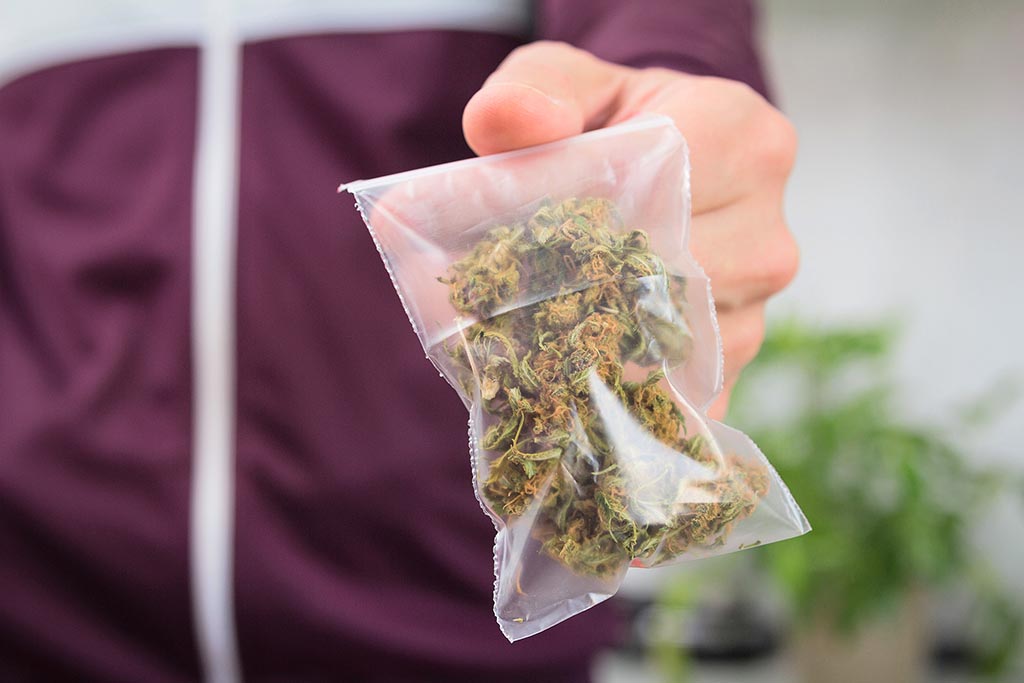
NEW research carried out by Ballymun Youth Action Project (BYAP) has highlighted the detrimental consequences of cannabis usage in the community.
The research found that 78 per cent of young early school leavers surveyed for the
‘It’s Only Weed’ report had used cannabis in their lifetime.
The report comes at a time when many drug projects are reporting an increase in cannabis related problems, suspected to be caused by new highly potent strains of domestically produced herbal cannabis.
The
‘It’s Only Weed’ report originated from observations that a significant number of clients using local services for young early school leavers were missing appointments and demonstrating unusually low levels of motivation.
A committee from the Equal Youth Initiative was established to investigate the issue and identified challenges at one training centre where cannabis use was resulting in absenteeism, disengagement and low motivation levels.
Programme participants were also reporting high levels of use and, for some, high levels of drug debt.
Chair of the Equal Youth Committee, Pat Kavanagh, explained in the report why the research was carried out.
“Emerging evidence of cannabis as a problem drug may surprise people who have become accustomed to the view of cannabis as a recreational drug that causes minimum levels of harm,
? he wrote.
“However, new more potent strains are now in circulation and at Equal Youth meetings we began to question and consider what our own role was in addressing the impact of these changes for the young people in our community.
?
The survey was carried out on 97 local youths to provide a rapid assessment of cannabis use prevalence within particular education or training centres and community settings in Ballymun.
It’s hoped the detailed study can help develop a range of community-based interventions in response to its findings.
The research focussed on two local services for early school leavers aged 16-21 and a group of young people not engaged in any educational projects.
It found that 78 per cent had used cannabis during their lifetime and of 50 per cent still using, 60 per cent were smoking daily. Just over half who were still using reported spending 3-6 hours under the influence.
The total monthly reported spending was
?¬22,820 but this figure is being treated with caution, as the cost has not been verified beyond self-reporting.
Almost a fifth (19 per cent) of respondents reported experiencing drug related debt ranging from
?¬50 to
?¬1,000.
The research identified that daily cannabis users experienced problems with health, finances, family relationships and educational and vocational performance.
The report highlights that current strains of herbal cannabis are notably different to those available to previous generations, with significant increases in the main mind-altering ingredient, THC.
It also states that a high level of apathy towards cannabis use exists, with many family members and concerned others having a liberal view based on their experiences of previous, less potent strains of cannabis.
The report recommends that priority should be given to awareness raising and information sharing aimed at family members to update them on the current strains currently being used in communities.
It also suggests that service providers and relevant agencies should consider their own priorities, institutional knowledge and viewpoints on problematic cannabis use and ensure they are in line with current evidence.
It also recommends specific targeted interventions aimed at daily cannabis users and early intervention for cannabis use to be reflected in organisational policy and staff training for service providers and policy makers.
Publication of
‘It’s Only Weed’ comes just weeks after the launch of the Government’s latest National Drugs Strategy, Reducing Harm, Supporting Recovery.
The strategy recognises that the use of cannabis in Ireland is considerably higher than any other form of drug, with 6.5% of adults using this drug in the last year.
It also states that younger people are more likely to use cannabis and it’s the most commonly used drug among children aged 15-16.
It also highlights a rise in cannabis-related problems that may be associated with the increased use of more potent strains of domestically produced herbal cannabis.
Related News