‘Casual’ drug use is leading to debt intimidation
Dublin People 28 Oct 2016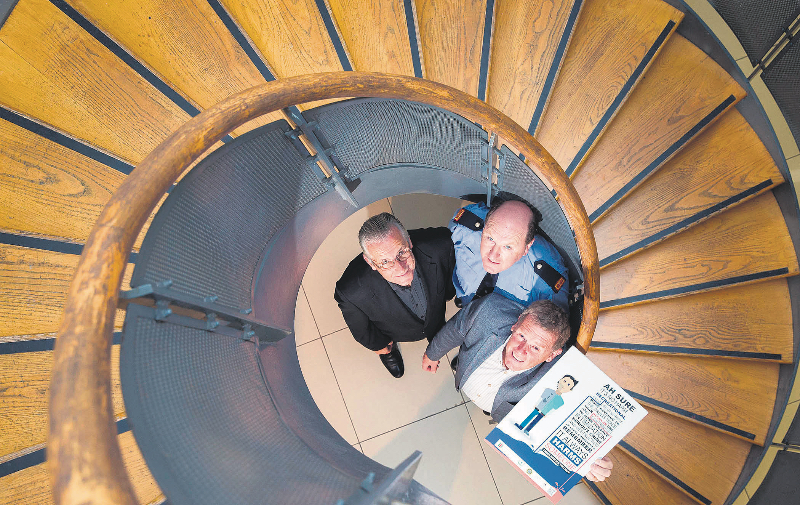
A NEW campaign to highlight the role recreational drug use plays in drug debt intimidation has been launched by the Safer Blanchardstown organisation.
The initial stage of the campaign involves a four-minute online animated video and posters are being erected around Dublin 15, although Safer Blanchardstown stresses that the issues involved are not just confined to their area but are a nationwide problem.
Safer Blanchardstown is a local Community Policing Forum funded by and operating in the Blanchardstown Local Drug and Alcohol Task Force area with the aim of improving confidence and relevant information exchange between communities, the local authority and An Garda Síochána.
Speaking at the launch, Safer Blanchardstown Coordinator, Philip Jennings, said that his research – ‘Melting the iceberg of fear: a collective response to anti-social behaviour, drugs misuse, criminal activity and drug debt intimidation’ – found a definite link between casual recreational drug use and devastating serious violence.
“The drugs market is made up essentially of two distinct end user groups – regular users and what are referred to as ‘casual’, ‘occasional’ or ‘recreational’ drug users,” he explained.
“Regular users are those people who use drugs every day and would be a dependable, steady source of income for the supplier that keeps the ‘business’ going.
“However, it’s at the weekends when the casual or recreational user orders their small bit of hash or cocaine that the real money is made by the drugs trade.
“And it is this ‘real money’ that attracts the serious violence and intimidation, which is affecting communities right across the country.
“This is why it is essential to draw attention to the link between recreational use of drugs, the vast amounts of money this generates, criminal activity and drug debt intimidation – hence this is why we in Safer Blanchardstown are commencing this campaign.
Jennings said that research for CityWide Drugs Crisis Campaign, published earlier this year, showed that drug debt intimidation involves more than threats.
In fact, 76 per cent of people surveyed reporting verbal intimidation, 46 per cent said incidents involved physical violence and 32 per cent reported damage to property or homes.
“CityWide’s research shows that in many cases the intimidation escalated from verbal threats to physical assault and continued for many months,” Jennings added.
“Over two-thirds of people experiencing drug debt intimidation report having mental health problems as a result of that intimidation, while almost four-in-ten have experienced a physical injury.
“The vast majority of those who are subject to intimidation fear for their personal safety in their own homes and as a result many leave home temporarily and permanently.”
Jennings says that the ‘Drug-Related Intimidation Programme’ has been established by the National Family Support Network and the Garda National Drugs Unit to assist those experiencing drug debt intimidation.
“However, there is also a clear need to raise awareness among recreational drug users – not just in Blanchardstown but right across the country – of the fact that their small bit of hash or cocaine is driving the intimidation of drug users and their families,” he added.
“This is a national problem that requires a national response.”
Related News