Ministers have “lost the run of themselves” in bid to drive down cost of running healthcare system, says Sherlock
Mike Finnerty 04 Nov 2026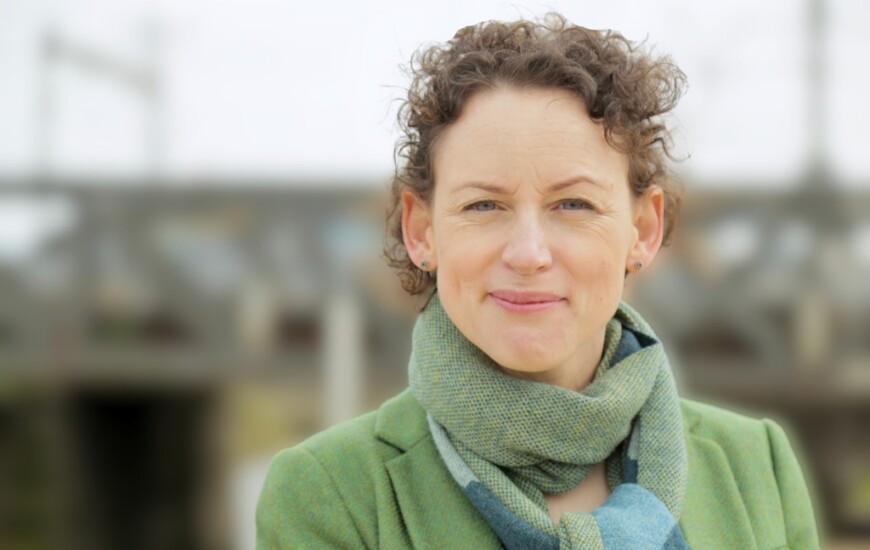
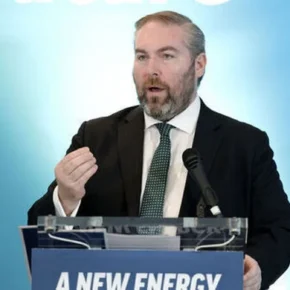
Labour TD Marie Sherlock has said that both the Minister for Health and Minister for Public Expenditure have now “lost the run of themselves” in their attempts to bring down the cost of running Ireland’s healthcare system.
The Labour health spokesperson dubbed Ministers Carroll MacNeill and Chambers “reckless” in their bids to bring down the HSE deficit, with the health service running a deficit somewhere between €750 million and €1 billion.
“There are serious questions to be asked about the competence of those making these reckless decisions about how our health service is run,” the Dublin Central TD said.
Sherlock criticised current Department of Health policy, which forces all recruitment decisions to be carried out through the department.
She said that particular idea “tears apart the notion that the HSE runs the health service.”
“More crucially, it divorces the link between patient safety and clinical decision-making about safe staffing with the appropriate local and regional HSE managers who are tasked with running the health service. This is both reckless and downright dangerous at a time when hospitals are already relying to an alarming extent on surge capacity and dealing with very high increases in demand,” she warned.
The Labour TD said that the Department was being “dishonest” in terms of their financial management of the healthcare services.
“Internal HSE documents seen by me show that the HSE’s non pay deficit is running at almost 3 times (2.9) the pay deficit, yet it seems that safe staffing levels are being made the sacrificial lamb all in the name of driving down a deficit.”
Shrlock noted, “it is important to say that a HSE budget deficit was always certain given the amateurish, arbitrary and upside-down way the Department of Health sets health budgets by setting the figure first and then leaving to the HSE to fit it to unknown rises in demand.”
In June, a decision was made to force all clinical and non-clinical invoices worth €10,000 or more across every acute hospital to be sent up to the CEO of the HSE.
Sherlock dubbed the decision “insane” and it ended up impacting the timing of orders for vital cancer and other life-saving drugs, with there only being a u-turn on the decision after it was found that the dikatat was unworkable.
“Then in July the Department of Health imposed rules that all non-clinical invoices worth €5000 or more would have to be sent for approval to the CEO of the HSE. This includes the bills for the toilet paper, the milk, the vegetables, the taxis for dialysis patients and all the other everyday expenses that hospitals have to incur,” she noted.
“Patients and staff deserve better than this rollercoaster of cutbacks in the health service,” Sherlock said.
Related News