New survey highlights lengthy wait for eye care
Dublin People 15 Jun 2019
THE HSE is being urged to reform Irish eye care and better serve the interest of patients.
The Association of Optometrists Ireland (AOI) made the call after its latest survey, carried out in April, showed that the average wait for public cataract surgery nationally is 29 months. It is also seeking a new national scheme for children’s eye care.
In Dublin the Optometrists’ survey found that:
• In Dublin Fingal, the waiting time for public cataract surgery was 36 months and the waiting time for an appointment for children under 12 was 12 months;
• In Dublin Bay North, the waiting time for public cataract surgery was 24 months and the waiting time for an appointment for children under 12 was eight months; and
• In Dublin Central, the waiting time for public cataract surgery was 24 months and the waiting time for an appointment for children under 12 was 24 months.
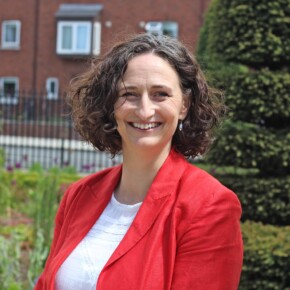
Dublin Fingal TD Louise O’Reilly (SF) said the waiting times for cataract surgery in Fingal are “out of control”.
“The information from the Association of Optometrists Ireland is incredibly worrying,” she said.
“Cataract procedures usually take around 10 minutes to perform, yet there are over 6,000 patients waiting on an operation across the State, with hundreds of these in Fingal.
“Patients suffer when they have to wait for cataract surgery. They lose sight, they lose independence, they can have accidents from falls, and all this costs patients and the health service more.”
Deputy O’Reilly said the award-winning Sligo Cataract Scheme represents a clear solution.
“The Sligo-Leitrim constituency has the shortest waiting time in the State thanks to this cost-neutral scheme. This scheme needs to be rolled out nationwide.”
AOI President Patricia Dunphy said the survey showed the urgent need for Minister for Health Simon Harris to intervene and overhaul eye care services.
“The cause of our massive and worsening waiting times is an over-reliance on public eye clinics and hospital Ophthalmology departments to provide even the most basic care,” said Ms Dunphy.
“Optometrists can provide routine eye examinations, glasses fitting, pre and post-surgery check-ups in the community. Only more complex cases need be referred to clinics or hospitals.
“This is the model in operation across the UK and Europe and the one Ireland needs.”
AOI chief executive Seán McCave said it is time “we stopped tolerating these terrible delays and took action”.
Mr McCave pointed out that there are 650 trained Optometrists working in 350 locations across the country who could meet the clinical requirements.
“In Scotland Optometrists are utilised as the front line for public eye-care and they do not have waiting list problems,” said Mr McCave.
A spokesperson for the Department of Health said: ”The number of patients waiting for a cataract procedure at the end of April 2019 was 6,151, which represents a reduction of almost 50 percent when compared to July 2017, when the number of people waiting for a cataract procedure was 10,024.
“It is also worth noting that at the end of April 2019, of the patients waiting for a cataract procedure, 582 of patients were waiting over nine months. This represents a reduction of 3,789 or 87 percent when compared to July 2017, when there were 4,371 patients waiting over nine months for a cataract operation.
“In Budget 2019 the Government had further increased investment in tackling waiting lists, with funding to NTPF increasing from €55 million in 2018 to €75 million in 2019.
“The joint Department of Health, HSE, and NTPF Scheduled Care Access Plan 2019 was published on March 11 and is focused on 10 identified high volume procedures, which includes cataracts.”
Related News