The five gynaecological cancers women need to know
Padraig Conlon 10 Sep 2026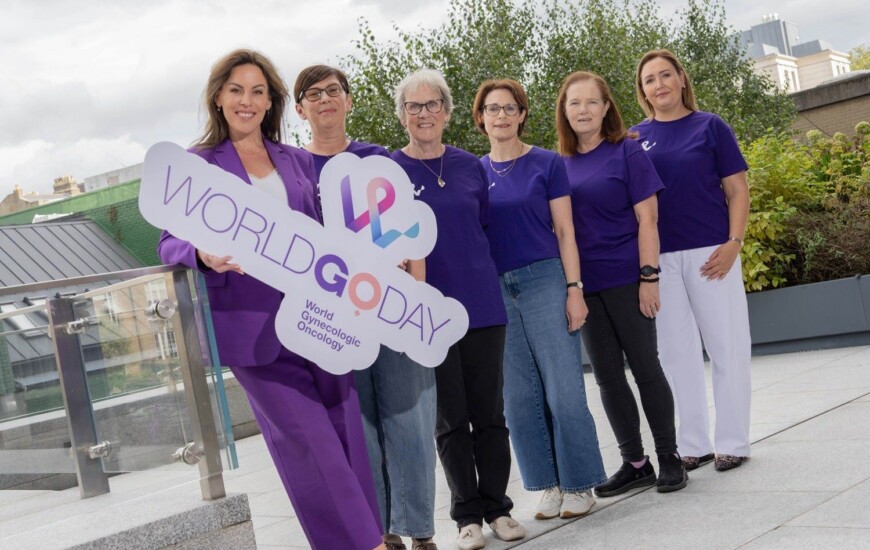
New research commissioned by the Irish Network for Gynaecological Oncology (INGO) has revealed significant gaps in awareness of the five main gynaecological cancers among women in Ireland.
The findings are being released to mark World Gynaecological Oncology Day (World GO Day) on September 20, an international awareness day that brings together patients, advocates, healthcare professionals and organisations to raise awareness of gynaecological cancers.
Across the island of Ireland, approximately 2,000 gynaecological cancers are diagnosed each year.
Yet awareness varies considerably across the five main cancers: vulva vaginal, cervical, uterine and ovarian.
While cervical and ovarian cancers are widely recognised, awareness is significantly lower for uterine, vaginal and vulva cancers. Just 37% of women surveyed had heard of vulva cancer, meaning around six in 10 women had not heard of the disease.
The research also highlights lower awareness among younger women.
Among women aged 25–34, just 29% had heard of vulva cancer, while awareness of uterine cancer (endometrial/womb) was also lower among women under 45 compared with older women.
The findings highlight why awareness of gynaecological cancers matters at every age.
While some gynaecological cancers are more common later in life, knowing the signs and symptoms can help women understand changes in their own health and support those around them.
For younger women, this may also mean recognising symptoms in a mother, older relative or friend and encouraging them to seek medical advice.
INGO is encouraging women across Ireland to become familiar with all five gynaecological cancers and to understand that each can have different symptoms, risk factors and approaches to prevention and early detection.
Know the signs
Different gynaecological cancers can cause different symptoms. Women are encouraged to speak to their GP or healthcare professional about persistent or unusual changes, including:
- Abnormal vaginal bleeding, including bleeding after the menopause
- Bleeding between periods or during or after sex
- Persistent or unusual vaginal discharge
- Persistent itching or changes to the vulva skin
- Pelvic or abdominal pain
- Persistent bloating or abdominal swelling
- Unexplained weight loss or gain
- Changes in bowel or bladder habits
Women should seek medical advice if they experience persistent or unusual symptoms.
Mairead McMahon, a vulva cancer patient, said:
“As a vulva cancer survivor, I would like to urge all women, no matter what age or stage of life, to find out what the symptoms are. Don’t ignore any changes to the vulva. Please see your GP as soon as possible – you will never regret it. The care I received enabled me to not only survive, but thrive. I resumed my career and went on to hold my little granddaughter in my arms.”
Healthcare professionals remain a trusted source of information
The research also shows that women are looking in a range of places for information about gynaecological health and cancer, including online search engines and, increasingly, AI tools.
However, healthcare professionals remain an important and trusted source of information. Three in four women said they would turn to a GP or healthcare professional for advice, while hospitals and specialist healthcare providers were ranked among the most trusted sources of health information.
Digital sources are particularly relevant for younger women, with some saying they would use AI tools such as ChatGPT when looking for information about a gynaecological health or cancer concern.
INGO says the findings highlight the importance of ensuring that women can access clear, accurate information and appropriate healthcare advice wherever they begin their search.
Minister for Health, Dr. Jennifer Carroll MacNeill, supported the launch of World GO Day with INGO and said:
“I am delighted to support World GO Day and INGO’s important work to raise awareness of all five gynaecological cancers. The research highlights why it is so important that women know the signs and symptoms and feel confident seeking advice from a healthcare professional.
It is also very welcome to see the European Parliament supporting World GO Day this year, helping to amplify this important message across Europe. I encourage women across Ireland to know the five, know the signs and talk openly about gynaecological health. Greater awareness can help reduce stigma and support earlier diagnosis and better outcomes.”
Claire Thompson, Vice President of the Irish Society of Gynaecological Oncology, added:
“Knowing the signs and symptoms of gynaecological cancer is an important part of looking after your health, but our research also highlights a concerning gap in understanding around cervical screening.”
“While it is encouraging that most women recognise CervicalCheck as a programme for cervical cancer prevention, research carried out earlier this year found that almost one in five women believe it screens for all gynaecological cancers. There is currently no screening programme for the other four gynaecological cancers, making it particularly important that women understand the symptoms and know when to seek medical advice”
In Ireland, World GO Day is coordinated by INGO, a voluntary coordination body bringing together gynaecological cancer campaigners, researchers, healthcare professionals and patient advocates.
This World GO Day, INGO is encouraging women across Ireland to know all five gynaecological cancers, recognise the signs and symptoms, and seek trusted medical advice when needed.
For more information on gynaecological cancers and World GO Day activities in Ireland, visit www.thisisgo.ie
Related News