TRAVEL: Thousands of Irish walk the French Way
Dublin People 28 Apr 2017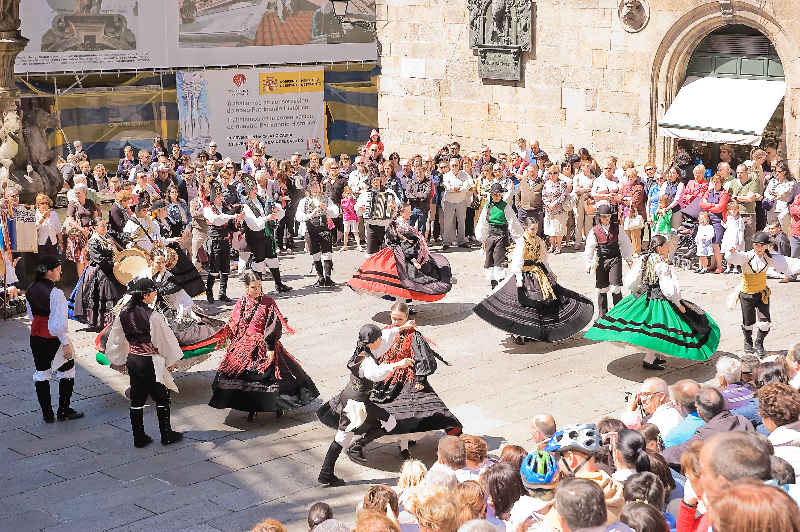
THERE comes a time in everybody’s life when a holiday has to be more than a sun-soaked week of overindulgence. OK, it’s a pleasurable way to spend time, but let’s face it, after a day two it becomes a bit of a bore.
That could be why more holidaymakers are looking for something different, and the Camino walk is certainly that.
Made up of several routes, the Camino de Santiago was one of the most important Christian pilgrimages during the Middle Ages and the most popular route stretches close to 800km.
That’s more of an endurance test than a holiday, but these days most Camino walkers pick a section of a route and stroll along at a leisurely, enjoyable pace.
The Camino has been popular with the Irish for generations, initially as a spiritual experience but more recently as simply a great way to spend a few days meeting people, having fun and keeping fit as well.
Dublin based Cycling and walking holiday specialist, Caminoways.com, organises Camino breaks for thousands every year and one of the most popular choices is the final section of the French Way.
This takes in 112km of the most famous of all the Camino de Santiago routes and is perfect if you’re looking for a classic Camino experience.
The distance is important, as 100km earns the walker an official pilgrim certificate of accomplishment. The section itself is also significant as the last part of the French Way from Sarria to Santiago is one of the Camino’s most popular.
It’s here you’ll meet fellow pilgrims and find the real spirit and camaraderie of the Camino. It’s also a route that passes beautiful cities, charming medieval towns and stunning landscapes.
The green rolling landscape of Galicia is part of each day’s walk, which takes walkers by the Pyrenees, the vineyards of La Rioja, the vast open spaces of the Meseta and the rugged mountains of Léon and O Cebreiro.
Each day’s walk is between 16-29km and the first stage of a six-day tour is from Sarria, with its churches, chapels, monasteries and seven pilgrim hospitals, to Portomarin.
From there, walkers cross the river Miño (Galicia’s longest river) and rise uphill steadily towards the Serra de Ligonde, visiting the Romanesque Church of Santa María in Castromaior and the Romanesque church in Eirexe on the way.
After Portomarin the next section continues downhill, passing the villages of Casanova and Leboreiro before stopping at the lively market town of Melide where octopus, Galicia’s most classic dish, can be enjoyed at one of the town’s many ‘pulperías’.
There’s an option to spend an extra night here, or continue on to Arzúa, famous for its cheese, and on through pretty woods, sleepy villages and across streams to Amenal.
After Amenal, the next point of interest is Lavacolla on the outskirts of Santiago, where pilgrims used to wash themselves in the river in preparation for their arrival in Santiago de Compostela.
Rows of tall eucalyptus trees line the road to Monte do Gozo, where walkers catch their first glimpse of the spires of the cathedral in Santiago.
Santiago de Compostela, has been a UNESCO heritage site since 1985 and home to one of the oldest universities in Spain. It’s a fantastic place to explore, wandering around its alleys and quaint, granite streets and dropping into its Romanesque and baroque churches before enjoying a bite in any number of cosy cafes, traditional and contemporary restaurants.
Caminoways.com can organise trips or guided tours for individuals, couples or groups to The French Way or, if you’re feeling hardy, a month long walk of the full 790km route.
To get a quote or find out more visit Caminoways.com or call 01-5252886.
-

- TRAVEL: Thousands of Irish walk the French Way

-
- TRAVEL: Thousands of Irish walk the French Way
Related News