COMMENT: Confessions of a reformed soccer sceptic
Dublin People 01 Jul 2016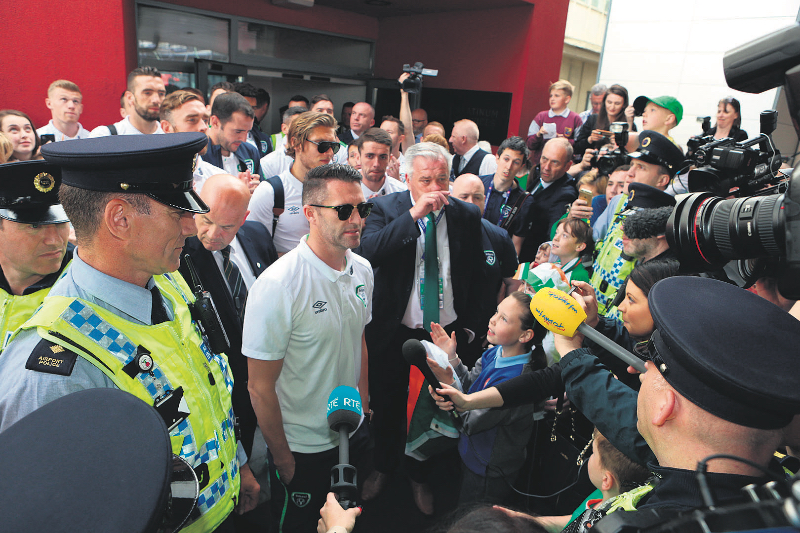
HERE’S a confession: I’m something of a latecomer to soccer. In fact, I was in my 40s before I started taking any sort of interest in the sport.
Prior to that, I couldn’t have cared less about the fortunes of the Republic of Ireland team, nor could I tell the difference between the Premier League and the Champions League. Seriously – I was that disinterested. If a match was on in a pub, I would often walk out. As for the offside rule, don’t even go there.
Fatherhood and the arrival of two soccer-mad sons into my life changed all that. Before they could even walk properly they had mastered the art of kicking a ball. As soon as they could talk, they pledged allegiance to an English club – a never wavering, lifelong commitment; through good and bad times.
Their formative soccer years were spent in a well-run kids’ academy with a local club. All those enjoyable Saturday mornings served them well and they are now both heavily involved in schoolboy soccer, a serious commitment on the part of children and parents alike. There is training at least twice a week, in addition to weekend league fixtures, cup matches and various tournaments.
They’ve trained in torrential rain, howling gales and even snow showers. Sometimes it gets so bad that parents leave the sidelines and retreat to the warmth of their cars.
But the kids don’t care; they want to be out there – improving, developing, playing, honing their skills. I’ve huge admiration for the dedication of the youngsters – and that of the coaches and other parents.
Through my own boys, I now have a greater appreciation of a team sport like soccer. The health and fitness benefits are the most obvious. But I have also seen how being part of a team can help kids develop their social skills. They learn respect, discipline and dedication. Coaches become important role models in their lives outside the home.
Even at schoolboy soccer level they will sometimes encounter conflict but, hopefully, will also understand effective methods of conflict resolution. Being part of a team teaches children things they won’t always learn from their parents or at school – skills like managing expectations, coping with disappointment, losing but living to fight another day. As such, soccer can be a microcosm of everyday life.
My colleagues are always quick to remind me of an article I wrote during the 1994 World Cup in which I expressed my complete disinterest in soccer. With the passage of time, I now realise how wrong I was.
The Republic of Ireland’s recent performance in Euro 2016 gave the country a great lift and will hopefully encourage even more children to join local soccer clubs. Very few of them will go on to become the next Robbie Brady or Wes Hoolahan – but they will certainly have fun trying.
Related News