Anger over coeliac food cuts
Dublin People 08 Sep 2012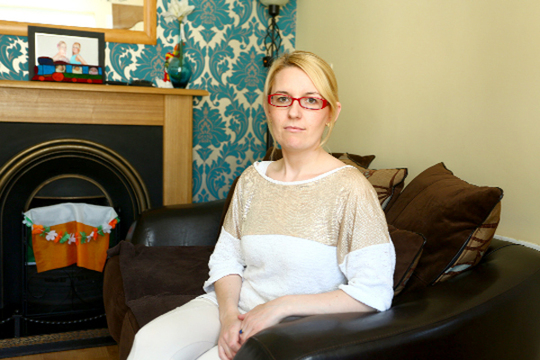
THIS coeliac disease sufferer has told of how hard she will be hit by the HSE’s cut of all gluten-free products from its drug schemes.
As part of the latest cutbacks, more than 40 products will no longer be made available either free or subsidised to patients with Health Service Executive (HSE) General Medical Cards or on Drug Payment Schemes (DPS).
Among those are 23 gluten-free food products used by people with coeliac disease. The cuts have been implemented to save the HSE an estimated
?¬3.6 million.
Single mother-of-three Lorraine Farrell, from Blanchardstown, who was diagnosed with the life-changing disease eight years ago when she was just 24, is among those who will be severely affected by the cut.
As a result of her condition, Lorraine cannot consume any type of gluten or she will run the risk being violently ill.
Coeliac disease causes an abnormal immune reaction to gluten, a dietary protein found in wheat and other cereals.
As a result of her restricted diet, Lorraine has been dependant on a prescription for gluten-free food provided through the General Medical Card.
“I don’t know how I’m going to afford my food now,
? she told Northside People.
“I get about 10 loaves of bread and a couple of boxes of gluten-free cereal and pasta each month.
“They all come in small portions, not like the normal bread and cereal you buy, but yet they’re really expensive.
?
She added:
“I estimate that loss of the foodstuffs on prescription will cost me around
?¬100 a month just for those particular items.
?
Times are already tough for the single mother who will now have the additional financial burden inflicted as a result of the cutbacks.
Gluten-free products can be up to four times as expensive as ordinary foods, with a loaf of bread costing in the region of
?¬4.
A lack of Government subsidy for at least some staple foods is expected to badly affect some of the most vulnerable coeliacs, including the elderly, the unemployed and low-income families in which there are two or more coeliacs.
Ireland has one of the highest rates of celiac disease in the world.
The Coeliac Society of Ireland, which has strongly opposed the decision, says it is working to
“engage with the HSE and relevant bodies to highlight how this will impact on families, the unemployed and the elderly in the longer term
?.
The society believes that staple gluten-free products such as bread, flour, pasta and cereals will become unaffordable for medical card holders and others on low-incomes, leading to the real possibility that they will be much less able to follow a gluten-free diet.
Coeliac Disease can cause diarrhoea, constipation, bloating, stomach pain, mouth ulcers and fatigue, as well as bone pain, weight loss, anaemia or indigestion.
According to the Coeliac Society of Ireland, some consequences of insufficiently excluding gluten from the diet include anaemia, osteoporosis, increased risk of bowel cancer and sub-fertility, all of which may lead to greater costs for the health service in the future.
Related News