HSE criticised for not endorsing use of ataxia drug
Mike Finnerty 19 Aug 2026
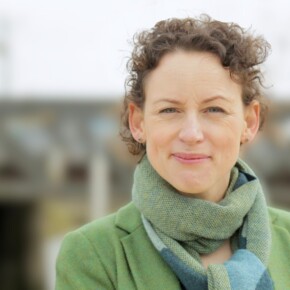
Sinn Féin leader Mary Lou McDonald TD has criticised the HSE for not recommending that Skyclarys, a drug for people living with Friedreich’s ataxia, be approved for use.
This week, the HSE’s drugs group made the decision not to recommend the drug Skyclarys for reimbursement.
McDonald called the decision “devastating” for those living with Friedreich’s ataxia.
McDonald called on the HSE leadership and the Minister for Health to ensure full transparency on how the decision was reached, and for “immediate and drastic” improvement in the standard of communication with those suffering from the disease.
The Dublin Central TD noted that Skyclarys was approved for use across the European Union since February 2024.
“It is already publicly funded or accessible in several European countries. So, the question that must be answered clearly is why was the decision made to deny access to the drug for those suffering from Friedreich’s ataxia living in Ireland?”
“The meeting of HSE senior management scheduled for August 25th must be brought forward. The Minister for Health must ensure that the meeting happens immediately – no more delays,” McDonald said.
“We must also see an immediate and drastic improvement in the standard of communication with the disease. It is wrong that engagement with patients and their families ranges from radio silence to drip feeding from the government and the HSE. It is an unacceptable way to treat people deteriorating from a debilitating disease, people who are terrified.
McDonald stated, “Those living with Friedreich’s ataxia have a clear demand; they want Skyclarys made available to them and their doctors as a treatment option.They want that choice and that hope. They have campaigned for two years.”
“They have bravely told their harrowing stories in the media and repeatedly protested outside the Dáil to get the government to listen. They shouldn’t have had to do any of that,” she said.
“Over the last couple of years, I have met so many of those living with Friedreich’s ataxia. They are remarkable people with a joy of living and ambitions for their futures. They have made it clear this evening that their fight is not over. We stand fully behind them,” McDonald said.
From the government side, Fianna Fáil TD Pádraig O’Sullivan said he was “deeply disappointed” about the decision.
The Cork TD said, “this week has been deeply disappointing not only for the roughly 200 people and families living with Friedreich’s ataxia in Ireland, but also for the thousands of people across the country who have heard their stories, felt their pain and supported them in their fight for access to treatment.”
“The HSE has acknowledged the devastating impact of this disease and the substantial unmet need facing patients. The Rare Diseases Technology Review Committee was positive about the impact of the drug on patients, yet the Drugs Group has recommended against reimbursement.”
O’Sullivan said, “this raises serious questions as to the purpose of that committee and the weight being given to its input if its positive assessment can ultimately be outweighed in this way.”
O’Sullivan said the recommendation raises broader questions about Ireland’s assessment process for rare disease medicines.
“Listening to representatives of the Drugs Group, the overarching argument appears to be that there are questions around the effectiveness of the drug. I find it difficult to square that position with the fact that Skyclarys is already available in nine other European countries,” he said.
“Why are our assessment processes reaching such a different conclusion to our European counterparts? To me, this raises a wider question about whether our system is inherently too pessimistic when assessing medicines for rare diseases.”
“We should be negotiating and exploring options such as managed access and risk-sharing agreements, rather than allowing cost to become the reason patients cannot access treatment.”
O’Sullivan said, “I have listened to the families affected here in Ireland, but I have also heard from patients in other countries who describe this drug as a game changer for their lives. I was very hopeful that a positive decision would be reached. Instead, I am left unconvinced that the processes followed or the reasons given for refusal are sufficient to justify denying patients access to this treatment.”
“These families deserve more than a decision that tells them the treatment is not affordable. They deserve to know that every possible avenue has been exhausted to get Skyclarys to them.”
Related News