Fuel protests hurting Irish businesses, Chambers Ireland says
Dublin People 09 Apr 2026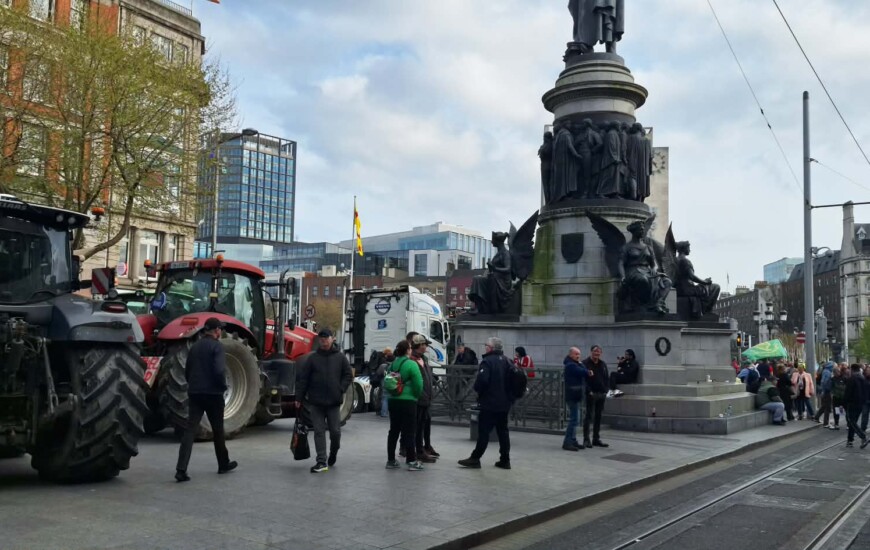
Chambers Ireland, the network that represents businesses across Ireland, have today called for an immediate de-escalation to the fuel protests that have caused widespread disruption across the country.
They have also cautioned that the prolonged impact on transport networks and fuel depots are placing “significant strain on businesses, workers and supply chains nationwide.”
The organisation said “the protests have led to extensive traffic delays and disruption that are having considerable knock-on effects, and companies across the country are reporting issues with their supply chains, reduced consumer activity and difficulties for staff commuting to and from work.”
Chambers Ireland are encouraging constructive dialogue and consultation via the relevant authorities as a means of bringing the protests to an end.
“Fuel price increases over recent weeks are continuing to have a significant impact on energy intensive businesses, SMEs and vulnerable consumers but road blockades and interfering with national fuel distribution networks are only compounding those issues at present,” they said.
Chief Executive of Chambers Ireland, Ian Talbot, said:
“We are hearing from our network of chambers across the country that the protests are significantly impacting business operations nationwide. Our economy relies on the efficient movement of people and goods, and any prolonged impact to this freedom risks undermining business confidence.
Talbot said “we appreciate the impact that fuel price increases are continuing to have on businesses and consumers across the country but the latest protests are intensifying supply constraints and creating undue uncertainty. We fully respect the right to protest but it is essential that it is exercised in a way that does not bring widespread disruption to the broader public and economy. This current situation is not sustainable.”
“Constructive engagement offers the best path forward. We need to see a shift away from disruption and towards solutions that protect both livelihoods and economic stability.”
Related News