Slow walker fines proposal sparks debate in city centre
Padraig Conlon 01 Apr 2026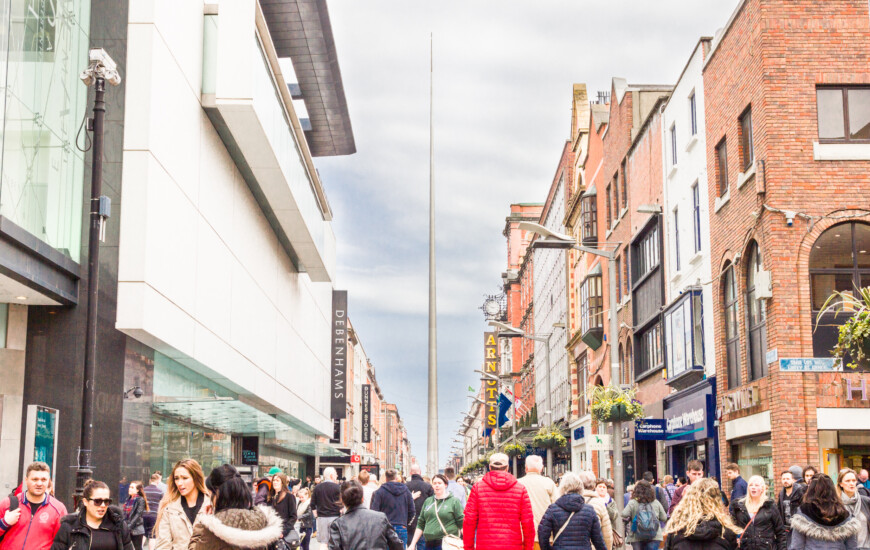
A proposal that would see fines introduced for pedestrians who walk too slowly on some of Dublin’s busiest streets is gaining traction among urban planners, as frustration grows over congestion in key parts of the city centre.
The idea, which has been circulating in transport and public realm discussions in recent months, centres on the introduction of designated “overtaking lanes” on major pedestrian routes including Grafton Street, Henry Street and parts of O’Connell Street.
Under the concept, pedestrians would be encouraged to keep to the left-hand side of walkways unless overtaking, with those deemed to be obstructing the flow of foot traffic potentially facing on-the-spot fines of up to €10.
While no official policy has been announced, the proposal reflects increasing concern about pedestrian bottlenecks, particularly during peak shopping hours, weekends and major events, when footpaths and pedestrianised streets can become heavily crowded.
Pedestrian congestion in Grafton is getting worse, experts say
Urban mobility specialists have been examining international approaches aimed at improving pedestrian flow in densely populated areas, with a growing focus on behavioural measures that encourage more efficient movement without the need for significant infrastructure changes.
The suggested Dublin model would mirror basic road traffic principles, with clearly marked lanes and signage indicating walking direction and overtaking zones.
Temporary markings could be trialled initially to assess how pedestrians respond before any permanent measures are considered.
The issue has become more pronounced in recent years due to increased footfall in the city centre, combined with a rise in group walking, tourists stopping suddenly, and people using mobile phones while moving through busy areas.
At the heart of the idea is what has been described as “unintentional obstruction”, where individuals inadvertently slow down large numbers of people behind them, particularly in narrow or high-traffic areas.
If introduced in any form, the system could involve the presence of “pedestrian flow wardens” tasked with monitoring movement and engaging with members of the public.
Early discussions suggest that any initial rollout would likely focus on awareness and education rather than enforcement.
A pilot scheme has been suggested for a defined section of Grafton Street, one of the busiest pedestrian areas in the country, where congestion is most noticeable.
Data from any such trial would be used to evaluate whether the concept improves overall movement and reduces crowding.
There is also potential for the use of technology to support the approach, including sensors to monitor crowd density and movement patterns, allowing planners to better understand how people navigate busy spaces.
Advocates of the idea believe that even small improvements in pedestrian flow could significantly enhance the experience of the city centre, particularly at times when movement slows to a crawl.
Retailers have previously raised concerns about congestion affecting customer behaviour, with some suggesting that overly crowded streets can discourage people from entering shops or spending time browsing.
Any future proposal would also need to take account of accessibility, ensuring that older pedestrians, people with disabilities and families with young children are not disadvantaged.
Suggestions include clearly marked “slow zones” where no expectations around pace would apply.
Public awareness would be central to any rollout, with signage and on-street messaging used to explain how the system works and what is expected of pedestrians.
Those involved in the discussions acknowledge that encouraging changes in behaviour can be challenging, and that public acceptance would be key to the success of any initiative.
Dublin’s city centre has undergone significant change in recent years, with a shift towards prioritising pedestrians, cyclists and public transport.
As a result, more people are moving through key areas on foot, placing new demands on already busy streets.
The overtaking lane concept is seen by some as a relatively low-cost way of improving flow without major redevelopment, although it remains, for now, firmly in the realm of discussion rather than policy.
Whether such a system would ever be introduced is unclear, but the conversation highlights the growing pressure on Dublin’s public spaces as the city continues to evolve.
Or at least, that’s what some frustrated commuters might wish for this April 1.
Related News