


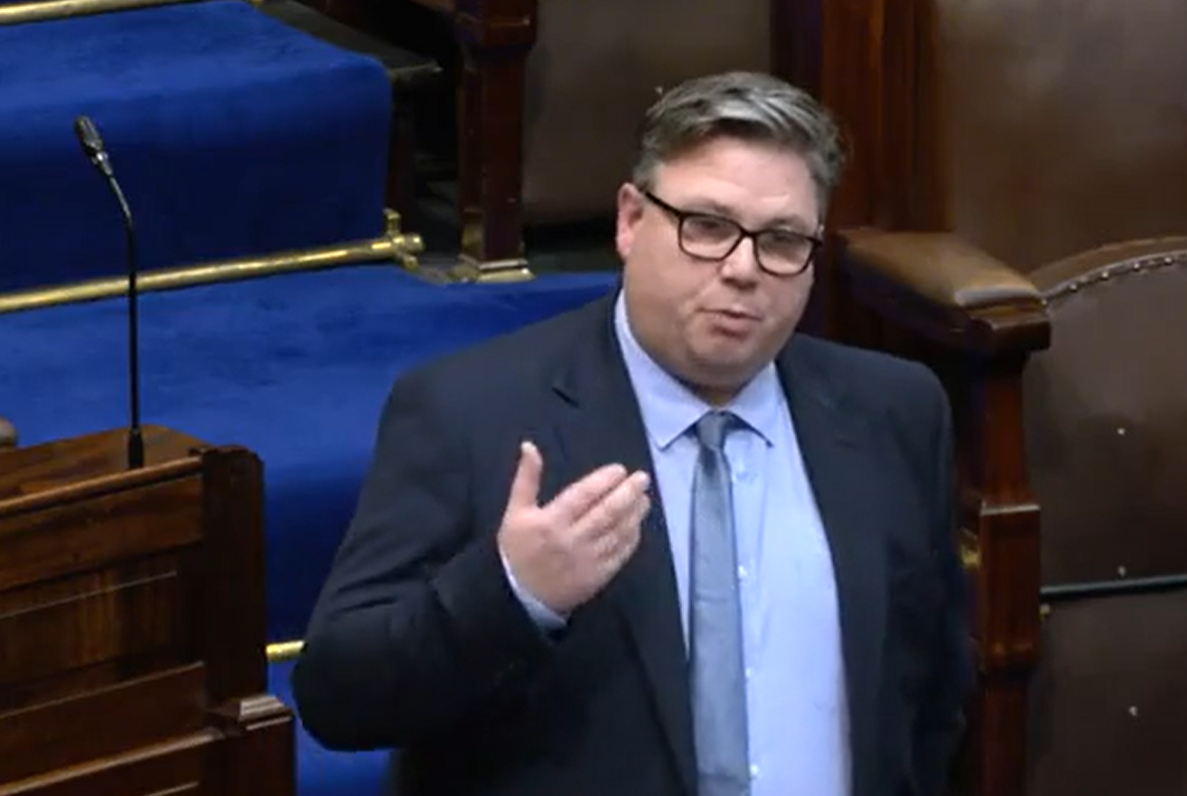
Dublin North-West TD Paul McAuliffe has called on councillors from Dublin City Council and Fingal County Council to jointly establish a formal joint committee under Section 52 of the Local Government Act 2001 to oversee the delivery of the Dunsink Urban Area Plan, which straddles the boundary of both local authority areas.
The draft Dunsink Urban Area Plan, currently on public display until 31 July 2026, sets out plans for up to 18,500 new homes on a 435-hectare landbank between Finglas, Ashtown, Castleknock and Blanchardstown. While the lands themselves fall within Fingal’s administrative area, the development will have a direct and lasting impact on neighbouring Dublin City Council communities in Finglas from traffic and transport links to schools, greenways and community infrastructure.
The Fianna Fáil TD said, “Dunsink’s development doesn’t stop at a council boundary; the traffic it generates, the schools its children will need, the greenways that are meant to link it to the Tolka Valley and the Royal Canal – all of that spills straight into Finglas and the wider Dublin City Council area.”
“If we plan this project in two separate silos, we’ll end up with the infrastructure gaps and missed connections.
“The Local Government Act already gives us the tool to avoid that. Section 52 allows two or more local authorities to establish a joint committee, by resolution, to jointly consider and advise on matters affecting both areas. That’s exactly the model needed here – a standing forum where elected members from both Dublin City Council and Fingal County Council can work through transport connectivity, school and community facility provision, greenway linkages, and the integration of the Traveller families currently living on the Dunsink lands, before the plan is finalised rather than after.”
McAuliffe said councillors on both sides of the Dublin City Council/Fingal boundary should not allow the powers already available to them under the Local Government Act to go unused.
McAuliffe added: “The councillors who represent the areas adjoining the Dunsink lands, on both the Dublin City Council and Fingal County Council side, have real powers under the Local Government Act. They should have an opportunity to shape how this development proceeds and to keep monitoring it as it’s built out over the decades ahead. Those powers shouldn’t be allowed to go unused, or for local representatives in Finglas to be left as bystanders on a project of this scale on their own doorstep.
He noted “this isn’t the first time Finglas has been on the wrong side of a boundary when large-scale development has been permitted by Fingal; more than twenty-five years ago it was Charlestown and it took Fingal nearly twenty years to put in place the community infrastructure that the Charlestown and Meakstown areas actually needed. We cannot let that happen again with Dunsink.”
“The way to avoid it is straightforward: give the local councillors on both sides of the boundary a say in how this development is planned, delivered and monitored. That can only happen through a joint body of both local authorities, as the Local Government Act already allows for.”
McAuliffe intends to write to councillors on both authorities to bring forward the necessary resolutions to establish the joint committee and has committed to raising the matter directly with both local authorities.
Advertisement