


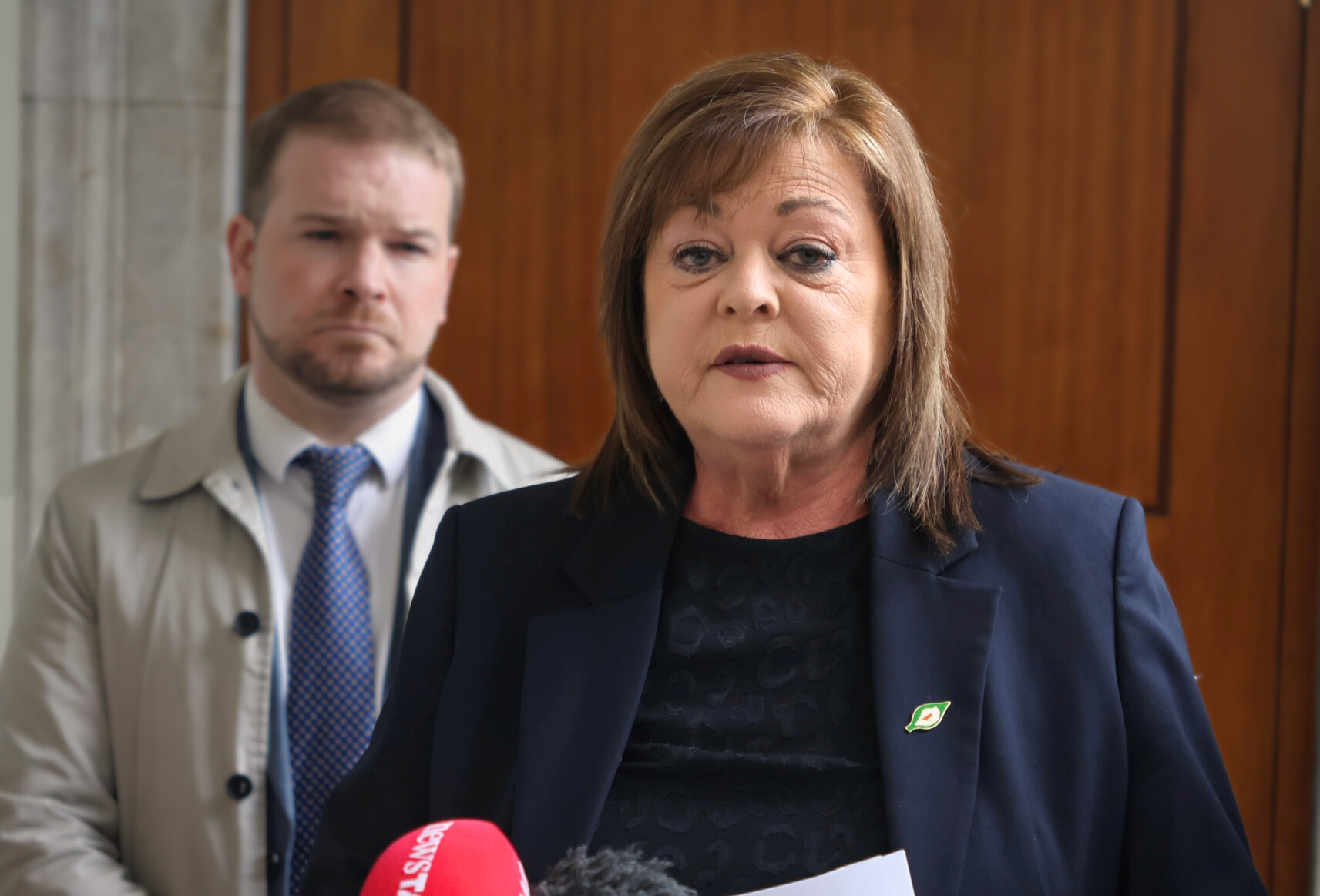
She said the report from the Joint Committee on Drug Use is the most detailed, researched report on drug use ever produced in the history of this state.
Speaking during a Dáil debate on the report, the Dublin Fingal East TD said that the report from the Joint Committee on Drug Use is the most detailed, researched report on drug use ever produced in the history of the state.
“The recommendations are based on hearing evidence presented to the committee by a wide range of services, agencies, national and international experts. Most importantly we also engaged with those who have had and continue to have firsthand experience of drug use,” she said.
“The evidence presented to the committee was detailed and well researched; it left the committee in no doubt that the response by consecutive governments has failed those most affected by drug use.”
Graves said that government policy on drugs has only served to “marginalise, criminalise and stigmatise people, their families and communities.”
“Far from healing or helping, these policies have only led to a deepening of the drug crisis. This must change,” the Sinn Féin TD said.
“The report is a major step in the right direction. It contains a total of 161 recommendations. These recommendations are wide-ranging and focus on many aspects of drug use. The report outlines a road map on how we can develop a comprehensive, evidence-based, health-led approach to drug use.
Graves said that the report highlights the need to have treatment and rehabilitation that meet the needs of women.
“For too long rehabilitation services have been designed by men for men. They failed to recognise that the causes of addiction for women are very different from those for men and so too is recovery from addiction, and access to services.”
Graves pointed to the Saol project in Dublin’s north inner city as a “shining example” of what can be done when resources and supports are put in place for women.
“I want to acknowledge the great work done by families who live with the challenges and chaos of addiction every day. The broken hearts and broken promises leave families frustrated and angry. But there is also a steely determination that they will get through this trauma,” Graves said.
“Families Addiction Recovery Ireland (FARI) is a network of families who provide peer support and advocacy for those living with addiction.
The Sinn Féin drug spokesperson said that the minister must provide funding for a full-time coordinator and ensure that FARI are part of delivering the new National Drug Strategy.
“Uisce is a unique organisation, campaigning to ensure there is justice for people who take drugs. They work together so people who use drugs are treated with dignity and have their voices heard and their rights respected. They provide a voice for some of the most marginalised people in our society.
“Again, the Minister must ensure that Uisce is part of the structures that oversee the implementation to the new National Drug Strategy,” she said.
Graves stated that drug task forces, established to tackle the drug crisis in areas most affected by addiction, are struggling to meet the new challenges in our communities.
“The government must stop with one-off funding to task forces for pilot schemes. If the government is serious about this report and the new National Drug Strategy, then provide adequate core funding and allow the task forces to get on with the job they were established to do.”
“A comprehensive health-led approach demands that this government introduces policies and legislation that action this report. But not all recommendations require legislation; many are common sense approaches that can be easily implemented,” she said.
Graves noted that the report calls for adequate, multi-annual funding for drug services, youth services, mental health services, education and a community-based response to drug-related violence and intimidation.
“I strongly encourage the Minister to build on the momentum and the cross-party support that currently exists for this report. This report has the potential to be the turning point in how our society views drug use and drug users. The challenge now is to make that potential a reality.
“That means this government must put an evidence-based, comprehensive health-led approach at the centre of future drug policy and legislation and ensure that funding is allocated appropriately on a multi-annual basis to ensure its success.
“Ultimately, we all want to develop a comprehensive health-led approach that addresses the causes of addiction, supports recover, and supports families and communities tackling the drugs crisis.”