


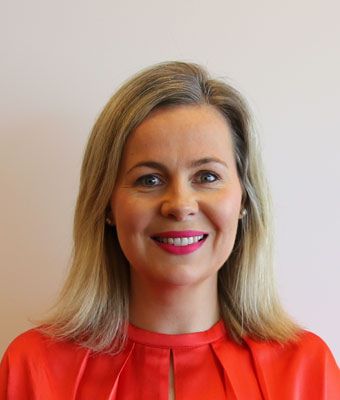
Senator Lorraine Clifford-Lee says she has received confirmation that no decision has yet been made about removing the diagnosis requirement for eligibility for special education placements.
The Department of Education had previously said that it was in discussions about potentially removing the need for a diagnosis to enrol in a special class or special school.
Currently, a formal diagnosis is required to access a special class or a place in a special school.
The Dublin Fingal West Senator met with principals and deputy principals from schools in Balbriggan last week to discuss their concerns about the possible policy change.
“What I heard from school principals and deputy principals was their passion and commitment to their students.
“They were also deeply frustrated that this proposal is being considered, with a trial planned for next year, without even the most basic details being shared with those working on the frontline of special education,” she said.
Senator Clifford-Lee said the proposal could have serious consequences for children who need specialist placements.
“For some children, a place in a special class is the only suitable option.
“Placing those children in a mainstream classroom instead could cause severe distress and have lasting consequences for their education and wellbeing,” she said.
Senator Clifford-Lee said the concerns raised at the meeting went far beyond the proposed removal of the diagnosis requirement.
“Everyone recognises that parents face huge difficulties accessing a diagnosis for their child because of assessment backlogs.
“However, removing the diagnosis requirement is not the answer when the wider system is already struggling,” she said.
Minister of State for Special Education, Michael Moynihan, has said that no decision will be made without extensive engagement with all stakeholders and that the full confidence of schools, parents and experts is needed before any policy is implemented.
Senator Clifford-Lee said she will continue to engage with local schools and families to ensure that every child can access an appropriate education setting.