


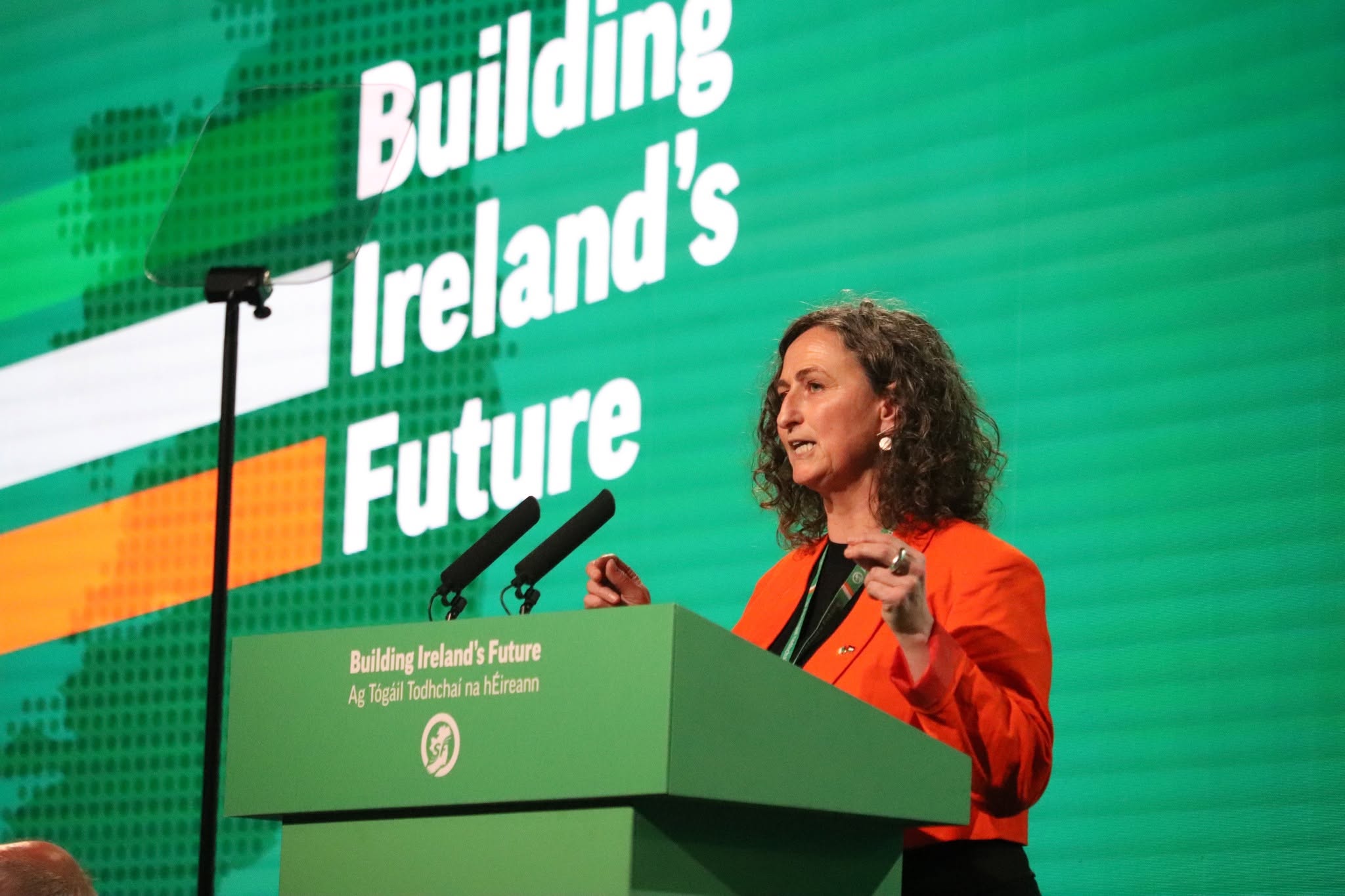
Sinn Féin MEP Lynn Boylan has said it is “long past time” that the government buys the Moore Street site.
She said that Dublin’s history needed to be “protected” from private developers.
Boylan and a number of other people are involved in a group known as the Moore Street Preservation Trust.
Moore Street itself, situated in Dublin City centre, may be more associated by many with its iconic street traders and markets, but it was also a site of great historical significance during the 1916 Easter Rising.
“It was the place of the final meeting of the provisional government, where the decision to surrender was taken. It was the final meeting place of all five signatories of the proclamation, where they enjoyed their final hours of freedom before being captured by the British,” Boylan noted.
The O’Rahilly, a leader of the Irish volunteers, led a charge up Moore Street toward the British Army barricade. He was shot and fatally wounded, dying in a doorway just off Moore Street.
Despite the strong historical and cultural significance of Moore Street and the buildings on it, the future of the site is uncertain.
Boylan said, “unfortunately, we’re witnessing a really upsetting situation where a street that’s strongly associated with our attempts to achieve independence from England could perversely end up being bought, and effectively erased, by a private developer, possibly from England.”
She said that the Moore Street site has been “largely neglected” by the government in the century since the rising, with most of the street and the surrounding terraces now being owned by the London-based developer Hammerson.
Hammerson’s plan calls for the existing site to be demolished to make way for private development, but there is a legal challenge against this.
“The Moore Street Preservation Trust has done great work in fighting against this plan by Hammerson; they’ve taken a judicial review against the Hammerson plan, and that’s due before the courts early in the new year,” she explained.
“They’ve also been really proactive in holding meetings with different groups in society, including the Executive Council of the Irish Congress of Trade Unions, who subsequently gave their full support to their master plan for the area – which was subsequently given full support by the congress.”
Earlier this year, then-Mayor of Dublin, Ray MacAdam, called on the government to step in and buy the Moore Street terrace that was used as the last headquarters for the leaders of the 1916 Rising.
The Fine Gael councillor gave a commitment that he would raise this issue directly with the Taoiseach, and encourage the government to make a compulsory purchase order for the site.
Boylan noted that the United States, South Africa and Cuba are examples of countries that have stepped in to protect and preserve landmarks associated with their own independence movements, and insisted that Ireland should be no different.
“Unfortunately, the Irish government appears to have no interest in preserving the history of the Moore Street site,” the Sinn Féin MEP said.
“While the government adopted 14-17 Moore Street in 2007, it’s “done nothing to develop or preserve the site” since then,” she said.
The four buildings of the terrace are closed and have fallen into a “serious state of disrepair.”
“The fact that the government ignored the recommendations of a consultation group several years ago, and even went as far as to appeal a landmark court ruling that the site should be preserved, is beyond belief,” she said.
“We now have had several reports that plainly state the historic and cultural significance of the Moore Street battlefield site, with historic significance going back beyond the Rising of 1916; however, without decisive action, it seems like what the British Army and their artillery couldn’t accomplish 110 years ago will be done by the government with their apparent disinterest in the site,” Boylan remarked.
Boylan said, “there’s nothing controversial about preserving the history of our struggle for independence.”
“The GPO, and other Easter Rising-related sites already attract interest from international and national tourists. Developing a 1916 battlefield-themed quarter would be a massive tourism boon for the city, and help to regenerate another part of Dublin that has been largely abandoned by the government,” she stated.
“With so much to be gained by developing the site, why are the government so determined to keep the Moore Street campaign at an arm’s length?”

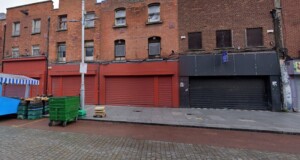
The centre will be located at 14-17 Moore Street.
Boylan noted, “some would argue that Fianna Fáil and Fine Gael have always been uncomfortable with Ireland’s revolutionary history, and there is an element of truth to this claim.”
“However, it’s more likely that this is down to corporate greed, the greed of the Hammerson group to secure prime development land in Dublin City Centre, and the eagerness of the Irish government to accommodate big business to project the image of Ireland being “open for business” by any means necessary”
The MEP said, “what’s clear is that there is a fight to be had to ensure that the history of Moore Street is properly preserved for future generations.”
An event will be held on November 7 by the Moore Street Preservation Trust to mark the historic importance, with more details to follow in the coming weeks.
Boylan said, “this is a fight that must be won, and I’d encourage everyone to sign the petition to show your support for preserving the Moore Street site.
“Let’s come together and send a clear message that our history and heritage are not for sale. To anyone.”
People who wish the sign the petition can do so at the following link: https://www.change.org/p/save-moore-street-buy-the-terrace