


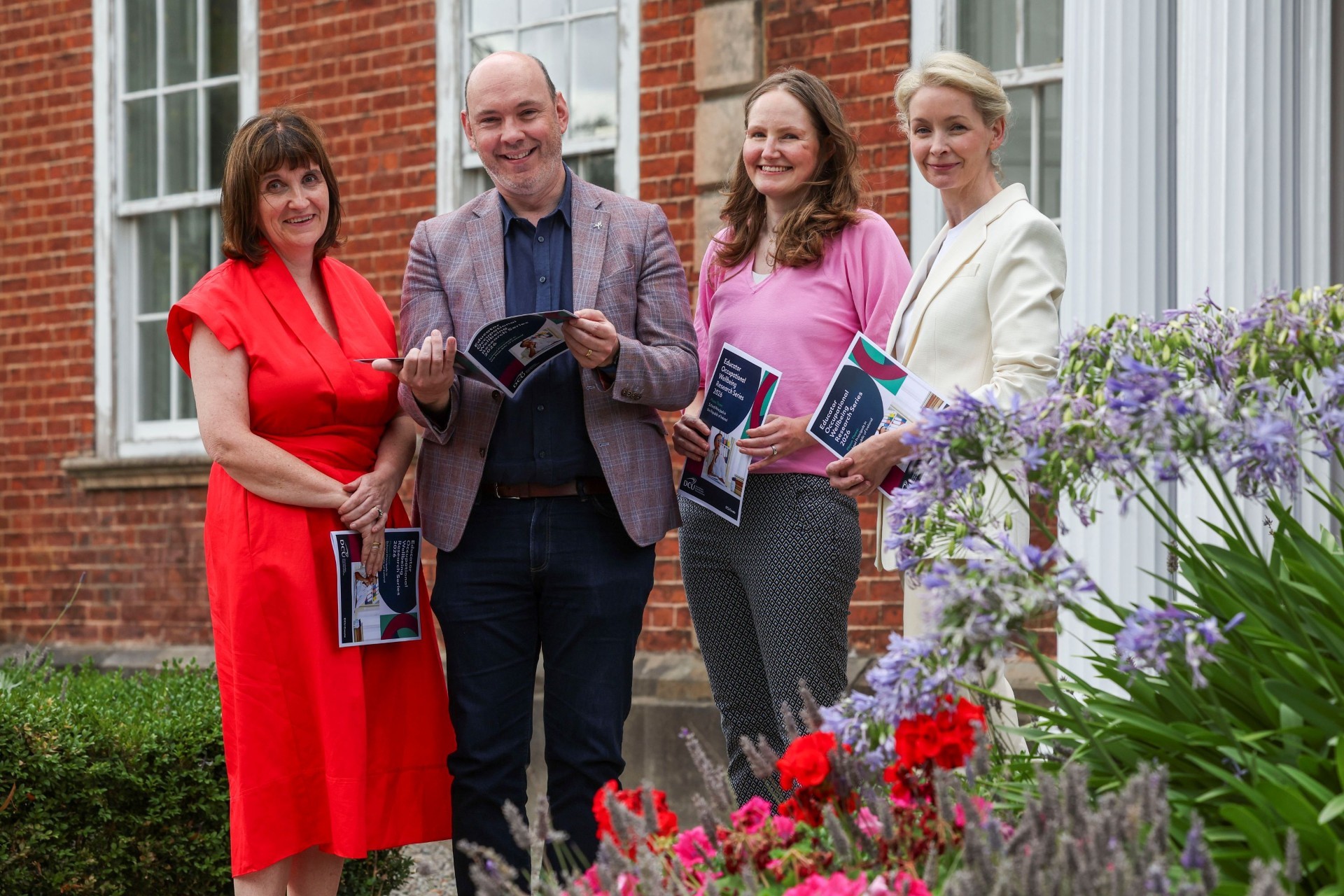
New research from Dublin City University has revealed over four in five (86%) principals are experiencing moderate to high levels of work-related burnout, with a majority (56%) working more than 50 hours each week.
The findings of the landmark study by the DCU Centre for Collaborative Research Across Teacher Education (CREATE) paints a stark picture of the mental health and wellbeing of school leaders in the Republic of Ireland.
The Principal Occupational Wellbeing Report 2026 reveals that an overwhelming majority of school principals are experiencing critical levels of burnout and exhaustion.
The research, which constitutes Phase Three of the DCU CREATE Educator Occupational Wellbeing series, found that 86% of principals report moderate to high levels of work-related burnout, while 85% report similar levels of personal burnout.
The research was conducted by the DCU CREATE team, led by Dr Sabrina Fitzsimons, Professor Catherine Furlong, Dr Pia O’Farrell, and Dr Damien Burke.
An indication of the workload challenges faced by principals was also evident in the working hours reported by participants in the survey.
Some 56% of principals surveyed work over 50 hours each week, while almost 1 in ten (9%) of all principals surveyed reported working more than 65 hours per week.
Other key findings from the Report include:
-
Mental Health Decline: 28% of principals describe their mental health as “poor” or “very poor,” with nearly one-third of these leaders stating this has negatively impacted their ability to lead their schools.
-
Unsustainable Workload: Almost half of all principals (47%) work between 51 and 60 hours per week, while 9% report working over 65 hours weekly.
-
Lack of Recovery: 69% of principals reported being unable to avail of their annual leave entitlements.
-
Systemic Pressures: 95% of respondents identified both general workload and unrealistic expectations from the Department of Education and Youth as primary contributors to their burnout.
-
Special Education Challenges: 78% of leaders cited the challenges in leading Special Education Needs (SEN) provision as a significant factor in their declining wellbeing.
Dr Sabrina Fitzsimons, co-author of the report, noted ‘Leading a school is a highly relational and emotionally demanding role which places principals at increased risk of stress and burnout. The data suggests a potential sustainability crisis with almost one-third of principals self-reporting poor or very poor mental health, while 1 in 10 principals indicated they are ‘extremely unlikely’ to continue in their role over the coming year.’
Professor Catherine Furlong, co-author of the report added ‘A significant challenge has emerged for principals in recent years due to the lack of a clear remit and job specification, and in turn what we’ve seen is they are wearing many hats; everything from HR functions and people management, to teaching, organising maintenance of the school grounds, engaging with external agencies, managing tenders, the list of escalating tasks goes on. The significance of this is that it cascades into every aspect of the school day and beyond, pulling school leaders away from their central role of leading teaching and learning.’
Dr Damien Burke, co-author of the report, commented ‘Ireland is fortunate to have such a committed and skilled principal community – our research shows that despite this undeniable professional commitment, many of those in the role are paying too high a personal price for this dedication.’
The report also highlights a concern regarding existing mental health support structures.
81% of participants in this study found current state mental health support services for educators to be poor or very poor.
Additionally, 71% of principals cited inadequate resources and unrealistic parental expectations as major stressors.
While the study identifies several protective factors that support workplace wellbeing, the overarching data suggests that the current demands of the role are becoming untenable for many.
Among the recurring issues which emerged in this research, principals cited:
-
“Not actually having a job remit”
-
“Always on in work mode, even at weekends and holidays. Multi-faceted role, all things to all people, HR, finance, building maintenance, and then there may be time for education.”
-
“The role of a teaching principal is all-consuming, and I am exhausted all the time. I spend most of my weekends and holiday time doing school work too.”
-
“Feeling of being in it alone.”
To read the Executive Summary Report of this research, please visit dcu.ie/ioe