


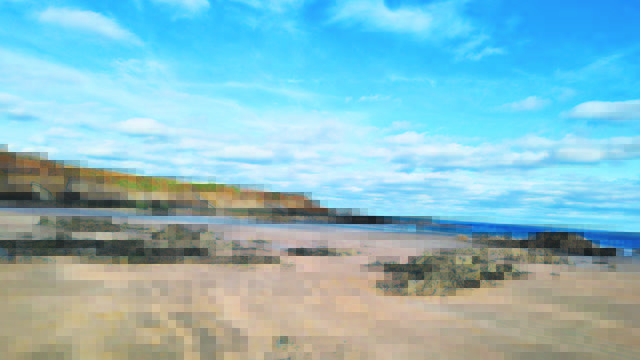
Sea swimmers, local businesses and environmental campaigners have been left reeling after two of north county Dublin’s most popular beaches were effectively closed for swimming for much of the summer because of the failure of a wastewater pumping station.
A 60-day “Do Not Swim” notice came into effect this week at Rush North and Rush South beaches following advice from Uisce Éireann and a precautionary public health decision by Fingal County Council.
The restrictions, which come just days after the official bathing season began, are expected to remain in place until at least the end of July while critical repairs are carried out at the nearby Tower Bay Wastewater Pumping Station.
The incident has prompted sharp criticism from Social Democrats TD Jennifer Whitmore, who has demanded a full explanation from Uisce Éireann and questioned how a failure attributed to “normal wear and tear” was not identified before it resulted in the loss of two major coastal amenities during the busiest period of the year.
According to Uisce Éireann, two pumps at the Tower Bay facility failed on June 7. While engineers were able to successfully reset one of the pumps, the second could not be restarted and requires replacement.
The utility said investigations found the failure was caused by normal wear and tear. However, it warned that a replacement pump is not expected to be delivered and installed until the end of July due to a lengthy lead-in time.
Although there has been no uncontrolled discharge of sewage into the sea, both Uisce Éireann and Fingal County Council have acknowledged that there is a risk of an overflow occurring while the station continues to operate with only one functioning pump.
In a statement, Fingal County Council said the swimming restrictions were being introduced as a precautionary measure to protect public health.
“There has been no uncontrolled release, but there is potential for one,” the council said.
“Given the seriousness of the situation, which may directly impact Rush North and Rush South beaches, we will be implementing a ‘Do Not Swim’ notice as a precautionary measure to protect public health, including the placement of signage at both beaches.
“This decision also considers the rainfall forecast for the coming days, which may further increase the risk of an overflow.”
For many in Rush, the announcement has come as a significant blow.
The town’s beaches attract swimmers, walkers and visitors from across Dublin throughout the summer months. During periods of warm weather, both beaches become focal points for recreation and tourism, supporting a range of local cafés, restaurants, pubs and other businesses.
Whitmore said the timing of the restrictions could hardly be worse.
“Fingal County Council has announced that Rush North and Rush South beaches will be closed to swimming for most of the summer, just days after the official bathing season commenced,” she said.
“The restrictions came into force after two pumps tripped out at the Tower Bay wastewater pumping station a number of days ago. It’s understood it was not possible to reset one of the pumps, requiring a new one to be ordered.”
While Uisce Éireann has stressed that no sewage discharge has occurred, Whitmore said the possibility of one was sufficient to force authorities into imposing a two-month swimming ban.
She questioned why a problem ultimately attributed to equipment deterioration was not identified earlier.
“Investigations indicate the failure was due to wear and tear, which begs the obvious question: why was this potential problem not identified earlier during routine inspections of the pumping station?” she said.
“This could have pre-empted the current situation and resulted in a replacement pump being ordered as a precautionary measure.”
Whitmore said the impact extended beyond recreational swimming.
“This is devastating news for local sea swimmers in Rush and the many visitors who travel to these two popular beaches on sunny days,” she said.
“The loss of these valuable amenities will also have a negative impact on the many local coffee shops, restaurants and pubs that depend on tourism.”
She also expressed concern about the environmental consequences should an overflow occur.
“Of major concern, however, is the potential for sewage overflow into the sea and the significant consequences such an ecological disaster would have for marine life, public health and the local environment.”
The Wicklow TD, who serves as her party’s environment spokesperson, said she would be seeking answers from Uisce Éireann.
“I will be writing to Uisce Éireann to demand a full explanation for how this disgraceful situation could occur, and for a full assessment of the condition of equipment at wastewater pumping stations along our coastline to be carried out,” she said.
The controversy comes at a particularly awkward moment for local authorities and water quality officials.
Just last month, Fingal County Council welcomed what it described as significant improvements in bathing water quality across the county following the publication of the Environmental Protection Agency’s latest annual bathing water report.
Nationally, the EPA reported that 98 per cent of bathing waters met or exceeded minimum quality standards in 2025.
The report was viewed as a positive endorsement of efforts to improve coastal water quality and environmental management.
Fingal County Council highlighted notable progress at several local beaches.
“Fingal has 10 designated bathing areas, with half of the areas classified as Excellent thanks to the rise in status of both Skerries and Sutton,” the council said at the time.
“Loughshinny and Portrane have also improved and are now rated as Good, along with Rush South Beach.”
The authority also pointed to improvements at Front Strand in Balbriggan, which achieved a “Sufficient” classification following several difficult years.
The council described the results as evidence of “sustained improvements in water quality management across the county” and cited targeted investment, monitoring and collaboration as key factors behind the progress.
“The focus now must be on continuing this progress and driving further improvements to bring more beaches up to Excellent standard and ensure the highest possible level of water quality is achieved and maintained,” the statement said.
Against that backdrop, the closure of Rush North and Rush South beaches has prompted fresh questions about the resilience of critical wastewater infrastructure serving Dublin’s coastline.
For local swimmers, however, the issue is less about policy and more about immediate reality.
At the start of a summer season that many had hoped would showcase the improvements made to Fingal’s bathing waters, warning signs now stand at two of the county’s best-known beaches advising people to stay out of the water.
The hope among residents will be that the replacement pump arrives on schedule and that the restrictions can be lifted as quickly as possible.
Until then, a summer that should have been celebrating improved water quality will instead be dominated by questions about ageing infrastructure, maintenance failures and how one broken pump has left two beaches effectively off limits during the busiest weeks of the year.