A FORMER colleague of mine famously used to host a red meat and wine party every Good Friday. It was his way of playfully sending up what he felt was a ridiculous law; a throwback to the dark old days when Ireland was in thrall to the Catholic Church.
The traditions of abstaining from the twin evils of meat and drink on this particular holy day have been under threat for years. Ireland has matured, you see. We are now a multi-cultural and increasingly secular society that won’t be dictated to by men in white collars.
And another thing: how come the pubs were forced to close while butchers could remain open? It was all a bit… well, Irish, actually.
But the Good Friday ban, which has been in place since 1927, has only served to shine a light on how immature we are as nation. Just witness the packed supermarkets and booze-filled shopping trolleys every Holy Thursday and the collective compulsion to stock up. Sure you could die of thirst, you know.
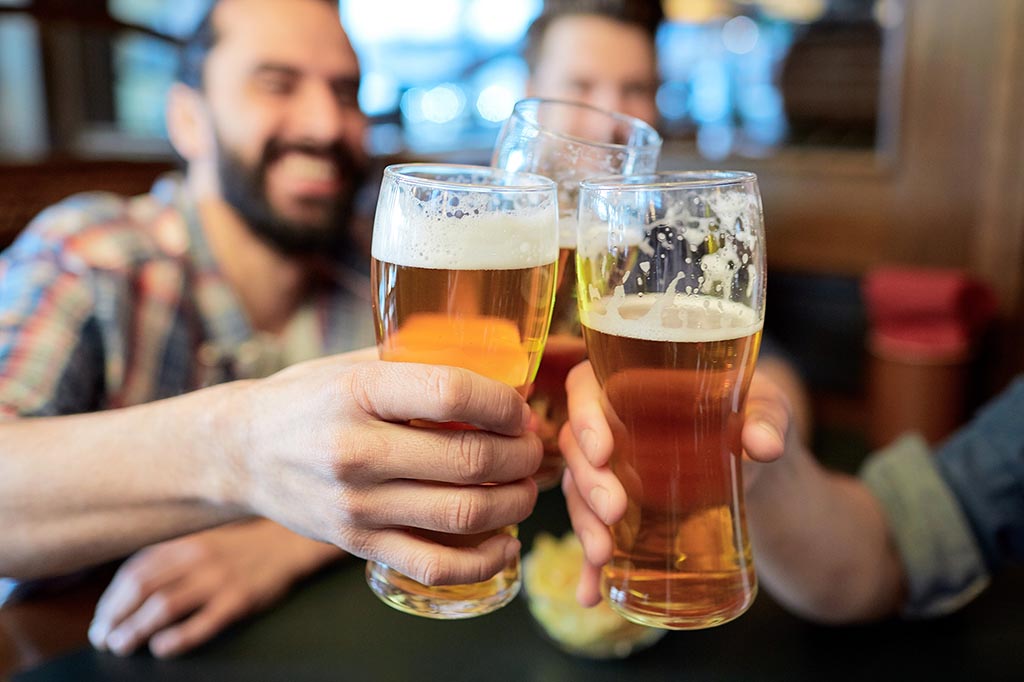
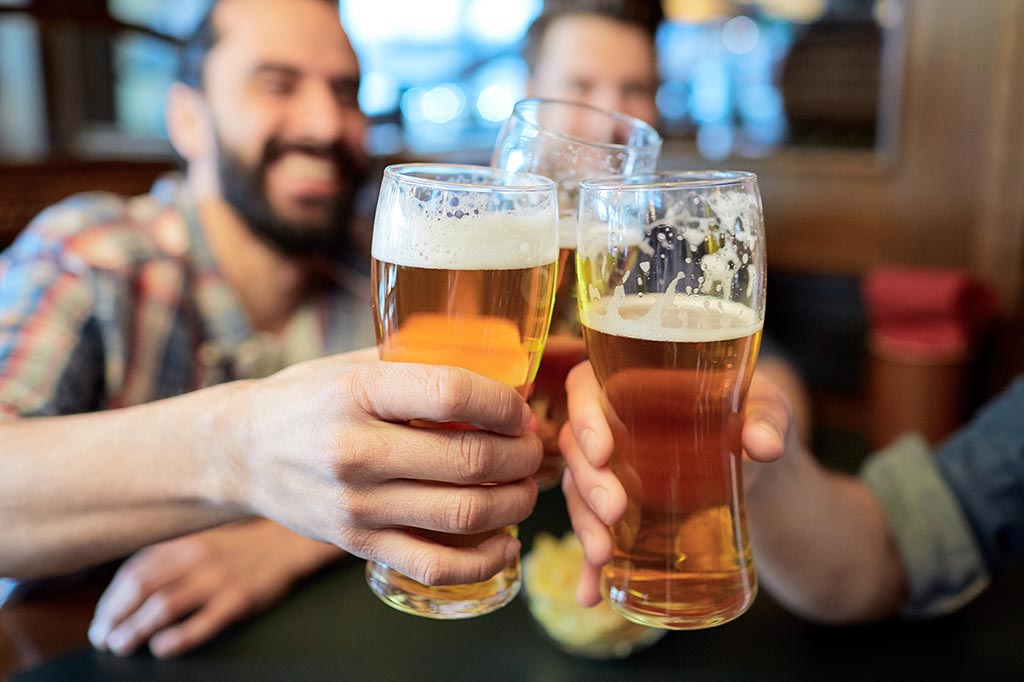
Like Christmas Day – now the last bastion of abstentionism when it comes to the pub – many people drink more on Good Friday than they would normally. This year, though, you will be able to pop in for a pint after the Stations of the Cross instead of having to circumvent the ban by buying a train ticket or going to the dogs or the theatre. In other words, it has taken all the craic out of it.
Fair play to the Government for dealing with this matter of national importance with the urgency it deserved. Not since the night of the bank guarantee has a piece of legislation seemingly passed through the House with such efficiency. Within a week of securing all-party support, the bill had been signed into law by President Higgins, just in time for Good Friday on March 30.
Seriously, we never knew our politicians had it in them. If only the Public Health (Alcohol) Bill could have been given the same priority.
Trying to justify the closure of pubs on Good Friday as a public health measure is a spurious argument. But so too is using tourists as an excuse to lift the ban.
Let’s be honest with ourselves: the main beneficiaries will be the vintners, who have campaigned relentlessly on this issue for years; the State, which will take in extra revenues in duty; and, of course, the Irish drinker, surely the most powerful vested interest of them all.
t.mccullagh@dublinpeople.com