


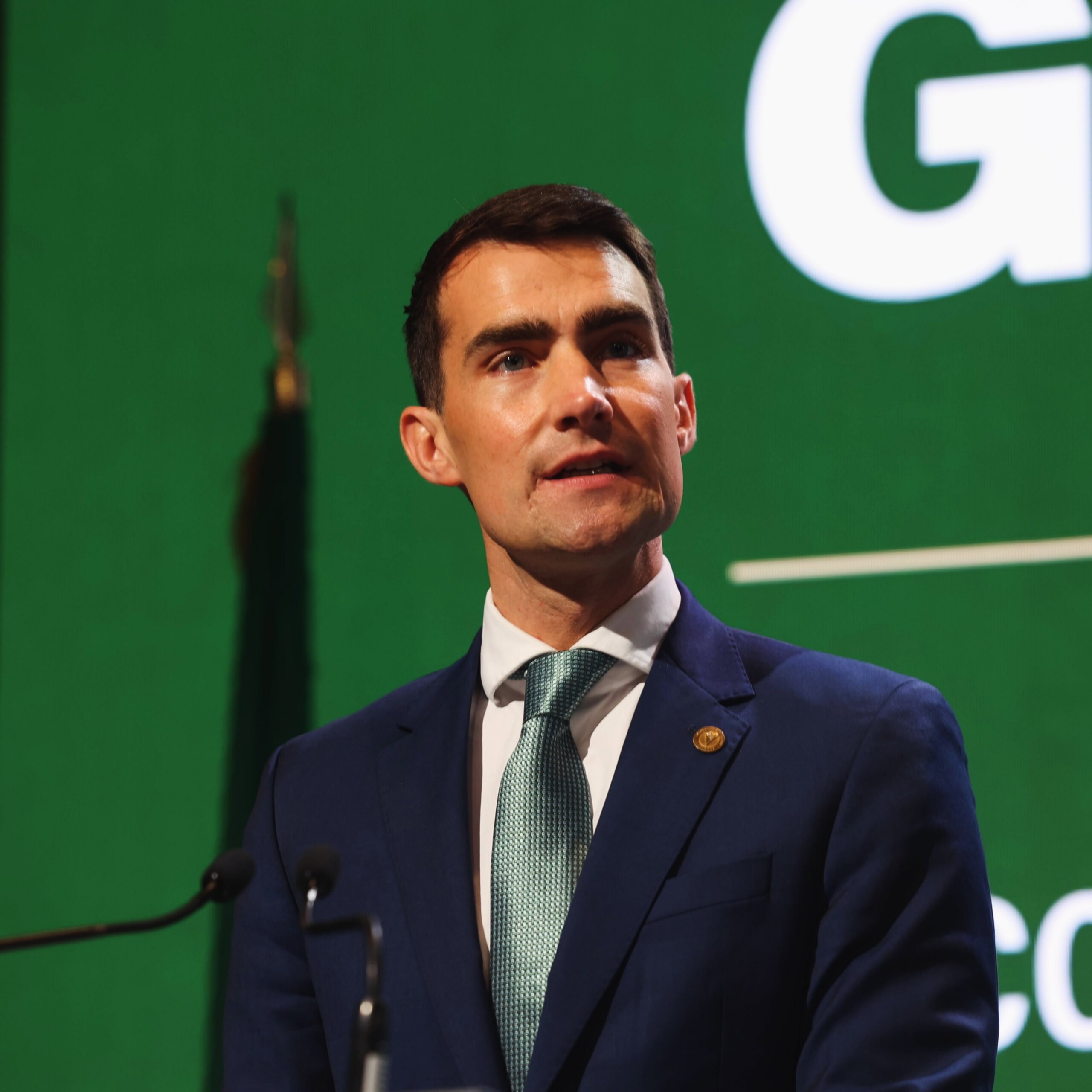
Dublin West TD and Minister for Public Expenditure was front and centre of this year’s Budget measures.
Addressing the Dáil, Chambers said that Ireland had to contend with global economic headwinds brought about by the American war on Iran and the economic aftershock that followed.
Heading into the Budget, the government’s message was clear; it wanted to reduce the burden of the cost of living crisis.
To that end, an income tax package of €1.3 billion will see tax breaks for middle-income workers, and the personal tax credit, PAYE and earned income credit will increase by €125.
The threshold for a worker to pay the 3% rate on USC has increased to €30,300 a year.
After last year’s Budget was criticised for having nothing for middle-income earners (typically seen as Fianna Fáil and Fine Gael’s voter base), this year’s Budget was seen as a mid-term shoring up of the party faithful.
A €10 increase to the weekly pension, jobseekers allowance, carers and disability allowance was also announced, along with a one-off disability payment of €500.
The rent tax credit has increased to €1,150 for single renters and €2,300 for couples who are renting.
As far as Dublin is concerned, the Budget had a number of headline-grabbing investments.
Chief among them was an extra €6 billion to the Metrolink project, with Minister Chambers dubbing the project “a project of unprecedented scale in our country.”
On the flip side, there was no explicit reference to money for the Dublin City Taskforc.
€2.3 billion has been allocated to Uisce Éireann, with Chambers also making reference to the Greater Dublin Drainage Scheme which looks to improve water supply and capacity in Dublin and the Greater Dublin Area.
Of interest to Dublin commuters is €5.5 billion in funds for the Department of Transport, with Chambers saying the funding will go towards the DART+ and the BusConnects projects.
Reaction to the Budget, as expected, has been met with lukewarm reviews from the opposition.
Social Democrats TD and finance spokesperson Cian O’Callaghan said that the budget is “completely devoid of ambition and new ideas.”
“Despite government assurances that help was on the way, the reality is that talk is cheap and promises are easily broken.”
“The absence of a targeted energy credit for low and middle-income households – as proposed by the Social Democrats – will come as a bitter blow to the more than half a million account holders in arrears with their electricity or gas bills,” the Dublin Bay North TD said.
O’Callaghan called the lack of action on disability issues an “insult.”
“All year, we were repeatedly told that the Government was finally going to take this issue seriously, raising hopes of a weekly cost of disability payment. But instead of the ‘groundbreaking’ measure signalled by the Taoiseach, disabled people will only get a one-off payment of €500 in January – a rehash of the one-off payment that was taken from them last year.”
Sinn Féin’s social media response went, “the government’s Budget can be summed up in 5 simple words; gone before you get it,” stating “”this was an opportunity to put workers and families first and make life more affordable. Instead, it leaves ordinary Irish people behind.”
From the government side, Fianna Fáil TD Shay Brennan said that the Budget delivered for middle-income families.
The Dublin Rathdown TD said, “the high cost of childcare is crippling families with young children, who are paying thousands in childcare costs. This budget will ensure fees are capped. There are also measures to increase childcare spaces.”
“This budget is about making sure people feel the benefit of a strong economy in their everyday lives,” Brennan added, a line that was also reiterated by Fine Gael leader and Tánaiste Simon Harris.
Dublin Simon Community stated today that Budget 2027 is one focused on “resources, not resolutions.”
Catherine Kenny, CEO of Dublin Simon Community, said “we welcome the €9.4 billion capital commitment to housing and €3 billion for social housing delivery, of which we believe over half will be spent in the greater Dublin area.”
“However, without a coordinated and targeted approach to the crisis in the greater Dublin area, we risk managing the strain rather than addressing the bottlenecks. Money alone won’t solve the homelessness crisis: we need joined-up thinking to make home a reality for everyone,” Kenny said.