


The number of children living in households below the poverty line increased by almost 30,000 to 200,000 in 2024, according to new research from the Economic and Social Research Institute.
The increase occurred despite strong growth in average household income during the same period. When adjusted for inflation and differences in household size and composition, average income rose by 4 per cent between 2023 and 2024.
The ESRI’s annual report, released this week, found that the increase in child poverty was even greater when housing costs were taken into account.
On that measure, the number of children living below the poverty line rose by approximately 40,000 to 260,000.
Families with younger children were particularly affected. After housing costs, the poverty rate among families whose youngest child was aged five or under increased from 20.8 per cent to 26.6 per cent.
By contrast, the rate among families whose youngest child was aged over 11 fell from 12.4 per cent to 10.1 per cent.
The findings have prompted renewed calls for the Government to introduce a second, targeted rate of child benefit for lower-income households in next month’s budget.
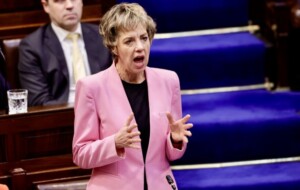

Labour leader Ivana Bacik TD (pictured above) said the figures should serve as an “urgent wake-up call” and argued that the increase was the result of budgetary decisions made by Fianna Fáil and Fine Gael.
“For a country as wealthy as Ireland, we should not tolerate seeing 200,000 children living in households below the poverty line,” she said.
Deputy Bacik noted that the figures related to 2024, when a number of once-off cost-of-living supports remained in place. She said the effect of housing costs was particularly concerning given the further increases experienced by families since then.
Labour has proposed a child income support payment, effectively a second rate of child benefit targeted at low and middle-income families who do not qualify for existing additional supports.
Ms Bacik contrasted the estimated cost of the measure with the Government’s decision to reduce the VAT rate for the hospitality sector, which she said would cost approximately €700 million.
She also called for targeted energy credits and a mixture of universal and targeted measures to assist families facing higher housing, grocery, transport and energy costs.
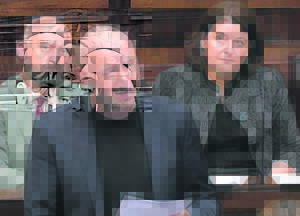

Social Democrats children’s spokesman Daniel Ennis (pictured above) said the figures demonstrated that the benefits of Ireland’s economic growth were not being shared equally.
“Corporation tax has generated revenues of over €150 billion in the last decade, yet the benefits are not being felt equally,” he said.
Deputy Ennis pointed to Dublin 1, where communities experiencing poverty and deprivation are situated close to the International Financial Services Centre.
He said the latest figures raised serious questions about whether the Government could meet its commitment to reduce child poverty to 3 per cent by 2030.
The Dublin Bay North TD also criticised the Taoiseach for questioning the ESRI’s methodology during an interview on RTÉ’s Morning Ireland and for appearing to reject calls for a targeted second tier of child benefit.
“Child poverty is corrosive,” Deputy Ennis said. “It leads to diminished educational and social opportunities, compounded in later life by poorer employment prospects and health outcomes.”
He said measures to reduce child poverty must now be made a priority in the forthcoming budget.