


Three of Ireland’s pain advocacy groups have come together to make a joint call urging the Government to publish its National Model of Care for Acute and Chronic Pain Services.
They say they are also urging the Government to ensure it includes a funded, time-bound implementation plan.
Chronic Pain Ireland, the Irish Pain Society and the Societal Impact of Pain (SIP) Ireland have joined forces to make the appeal which is also calling for the implementation of ICD-11 chronic pain classifications.
The call was made today as Chronic Pain Ireland launched its Pain Awareness Campaign “What Pain Takes”, a national 14-day campaign revealing the often-unseen impact of living with chronic pain.
The campaign asks people to look beyond a single visible moment and consider what it may have taken for someone living with chronic pain to be there. Capacity can change from one day to another, or even from one hour to the next.
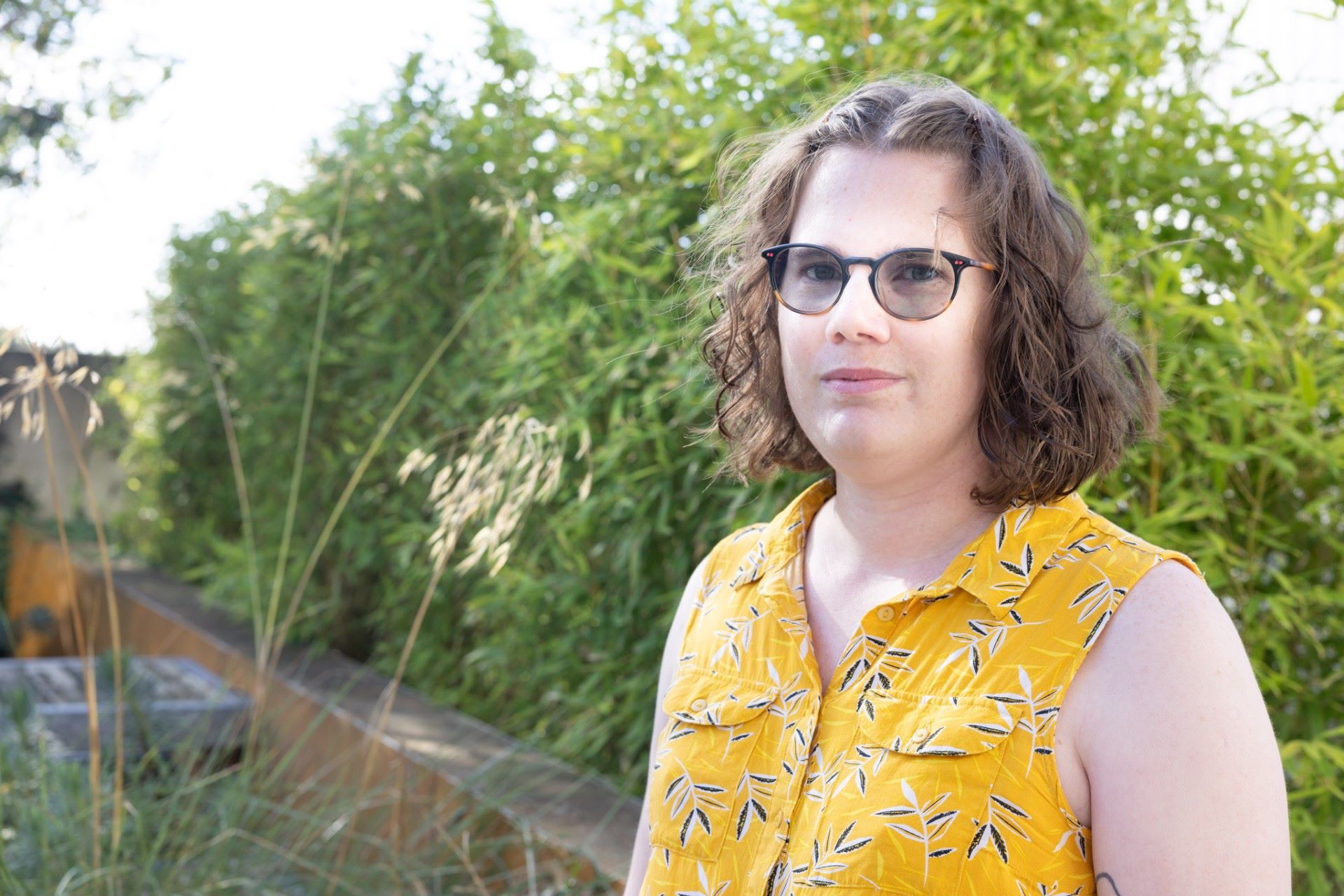
Throughout the campaign, Chronic Pain Ireland’s Pain Ambassadors will share personal experiences to highlight what pain can take from energy, sleep, spontaneity, relationships, independence, confidence, working life and time.
Christina Donnelly, Executive Director of Chronic Pain Ireland, said:
“What Pain Takes reveals what can lie behind what’s visible – it shows how hard people need to work to participate in everyday tasks. They should not also have to work hard to be believed, understood or find the right support. Awareness must lead to action, including implementing the ICD-11 chronic-pain classifications so chronic pain can be more consistently recognised and recorded, strengthening the data Ireland needs to plan and evaluate services.
“We are calling on the Government and the HSE to complete and publish the National Model of Care for Acute and Chronic Pain Services, together with a funded, time-bound implementation plan.”
The personal experiences that will be shared through the “What Pain Takes” campaign show why chronic pain requires more than individual adaptation. They point to the need for a clear, properly resourced and evidence-based national response.
As part of this campaign Chronic Pain Ireland, the Irish Pain Society and SIP Ireland call on the Government and the HSE to:
- Complete and publish the “National Model of Care for Acute and Chronic Pain Services” together with a funded, time-bound implementation plan; and
- Implement the ICD-11 chronic-pain classifications and improve national data on need, service capacity, access, waiting times and outcomes.
These demands are supported by three priorities:
1. Recognition and better evidence
Implementation of ICD-11 chronic-pain classifications and improved national data on need, service capacity, access, waiting times and outcomes. Better recognition and evidence are needed to understand the scale and impact of chronic pain, plan appropriate services and measure whether people are receiving the support they need.
2. Equitable access to flexible multidisciplinary care
Expert clinical teams that can respond early with individualised care plans using evidence-based treatments for people with chronic pain to promote pain rehabilitation and empower the individual to live a positive and enjoyable life in the presence of pain.
3. Participation in working life
Policies and workplace practices that recognise fluctuating capacity and support reasonable accommodations, job retention and sustainable return to work.
Prof. Brian McGuire, Professor of Clinical Psychology and Co-Director of Centre for Pain
Research, University of Galway, SIP Ireland representative and Executive Council Member of the Irish Pain Society said:
“Chronic pain takes away the most fundamental and important parts of life including time spent with family and friends, the ability to study, travel and work as well as the profound impact for some people on their mental health. With up to one in every three people in Ireland having chronic pain, there is an urgent need to publish and resource the new Model of Care for Acute and Chronic Pain, which would ensure more people are seen earlier in community-based interdisciplinary pain rehabilitation services and those who most need intensive hospital-based treatments can be seen quickly. Chronic pain affects almost every household in Ireland – we therefore call on the HSE to respond positively to the new Model of Care and give chronic pain services the resources they need.”
Dr David Moore, Consultant in Pain Management, Beaumont Hospital, Clinical Lead, Integrated Model of Care for Pain Management, said:
“Living with chronic pain can be very challenging and the early input and support from a specialist, multidisciplinary pain management team can make a big difference. Unfortunately, due to resource challenges and the large number of people with chronic pain, many Irish people will experience support that is too little and too late. Our hope is to create a national integrated model of care for pain management in Ireland that will map out world-class and evidence-based services for our population. The best management of chronic pain is important for the individual but also for our whole society.”
Chronic Pain Ireland Pain Ambassador Philippine Sikora is a business owner from Drogeda, Co. Louth. She is aged 35 and has lived mainly with neuropathic pain for more than a decade.
“One thing I want people to understand is that chronic pain takes much more than what they see. Everyday activities, such as cooking, walking or taking the bins out, take a lot of energy, require planning, lead to recovery time, and create pain. Fatigue and pain thresholds fluctuate: one day I’m able to cook myself a nice dish. The next day, I have to lay down and skip dinner because I’m too nauseous from the pain. If someone tells you they suffer from chronic pain, don’t assume you know how they feel, even if they look fine.”
“What Pain Takes” will run from September 14 – 27 2026 across Chronic Pain Ireland’s Facebook, Instagram and LinkedIn channels.
Members of the public are invited to follow the campaign, take part in free events and to look beyond the person standing in front of you. See what pain takes.