


17,527 people were confirmed to be in homeless accommodation by the Department of Housing in the most recent round of figures.
The figure is a rise from the 17,482 people confirmed to be in homeless accommodation by the Department of Housing in the figures released in July.
March 2026 was the first month in which controversial rent rules were implemented, with critics arguing erodes tenants’ rights and prevent tenants from attaining long-term security. Similar to the lifting of the no-fault eviction ban directly correlating with a rise in homeless figures in 2023, the rent rules have led to a rise in homeless figures across Ireland.
Of the figure, 5,659 are children, up from the previous figure of 5620.
12,298 people were confirmed to be homeless in Dublin, a drop from the previous figure of 12,417.
When the Fianna Fáil/Fine Gael/independents government took office in January 2025, the figure stood at 15,286 people in homeless accommodation nationwide.
The figures mark a dramatic increase from May 2016, when the 32nd Dáil met for the first time, when 6,189 people were in homeless accommodation.
Sociologists note that homeless figures only record people who are availing of homeless accommodation, and do not count “invisible” homelessness such as people sleeping on couches at family and friends’ houses, or people sleeping in cars.
Social Democrats TD Rory Hearne said “my own analysis of quarter one data for 2026 found there were 4,000 children longer than six months in emergency accommodation and 2,770 children – almost 3,000 – living there for more than a year. This is an appalling way for the state to treat any child.”
“Under this Minister for Housing, there are now 1,001 more children in emergency accommodation than there were in November 2024,” he said.
“Sadly, there is simply no political will to tackle this issue. This government constantly tries to deflect from the fact that its own flawed policies have created the homelessness crisis. The Taoiseach claims the problem is ‘complicated’, while the Tánaiste attempts to muddy the waters by blaming immigration,” Hearne asserted.
“The government repeatedly refuses to introduce a no-fault eviction ban, despite scandalous levels of homelessness, while prioritising the interests of investor funds. Their deeply flawed policies just make housing increasingly unaffordable and push more families and individuals into unsuitable emergency accommodation,” he said.
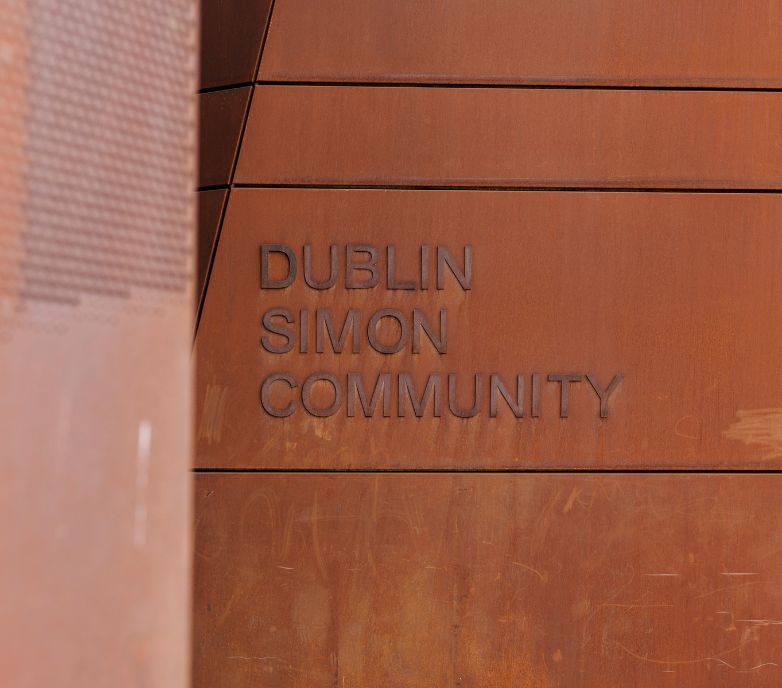
Catherine Kenny, CEO of Dublin Simon Community, said “Dublin is carrying a completely disproportionate share of the homelessness crisis, with approximately seven in every ten people in emergency accommodation here.”
“We are calling for a dedicated Dublin homelessness strategy as a matter of urgency. We need a coordinated response that brings housing, health, addiction and social care together, and gives people a realistic pathway out of homelessness.”
Kenny said, “at present, many essential services are operating alongside one another rather than as part of a fully integrated system. A Dublin strategy would bring Government departments, local authorities, healthcare providers, approved housing bodies and frontline homelessness organisations together around clear objectives and measurable outcomes.”
Kenny said any strategy must include a major increase in the delivery of social and affordable housing, alongside targeted health and addiction supports for people experiencing homelessness.
“The plan should establish clear and measurable targets for reducing homelessness, particularly long-term homelessness, with regular monitoring and transparent reporting to ensure that progress can be assessed and that government remains accountable for delivering on its commitments,” she said.