


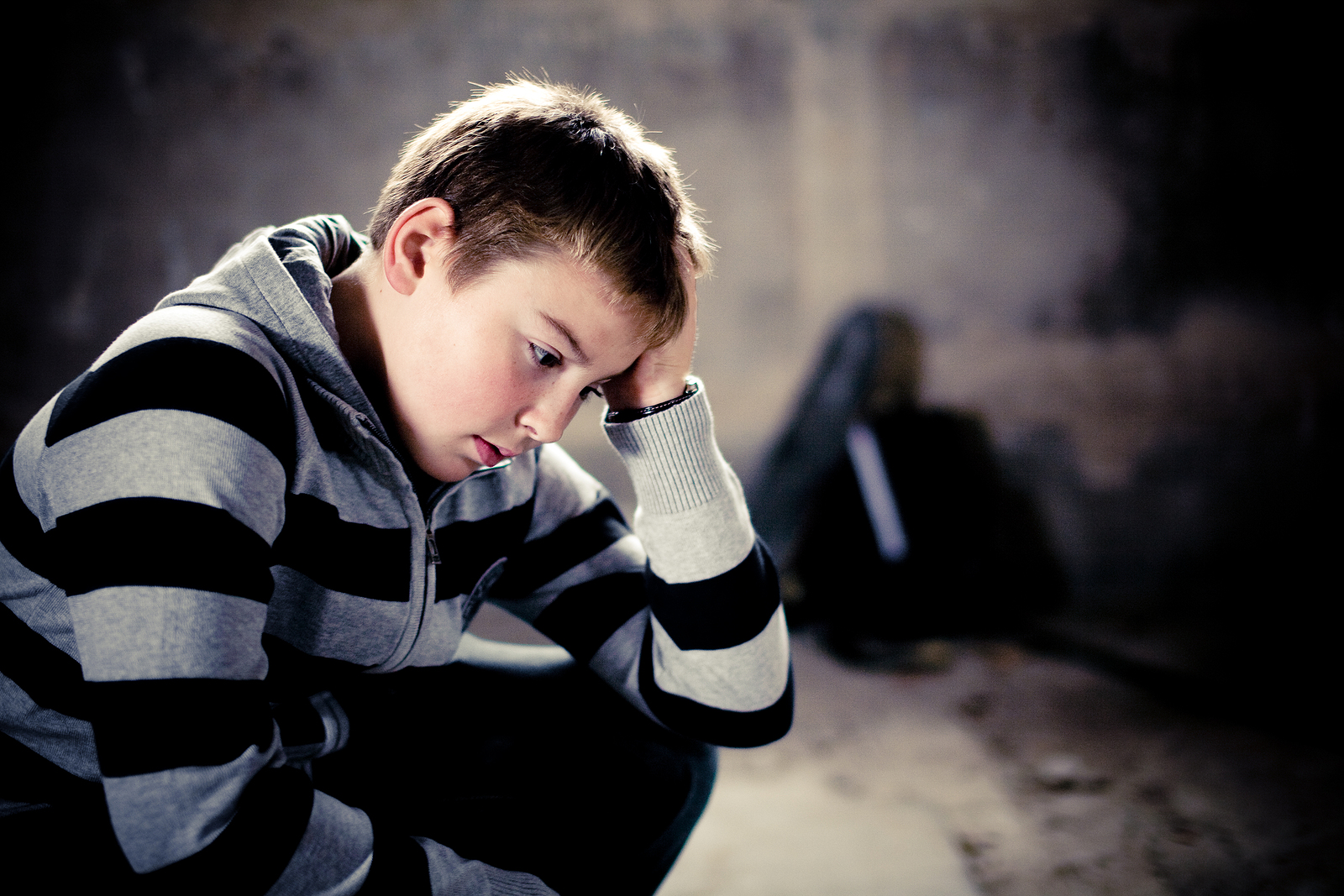
Thousands of children across Dublin are spending another summer without a place to call home, missing out on the simple childhood experiences most families take for granted, from playdates and sleepovers to afternoons with friends, psychologists have warned.
New figures released by Focus Ireland show that 4,102 children from 1,863 families are currently living in emergency accommodation across the capital.
Nationally, 5,620 children are without a permanent home, meaning almost three-quarters of homeless children in Ireland are living in Dublin.
The charity says the school holidays can be particularly difficult for families experiencing homelessness, as children are often unable to invite friends over to play, enjoy sleepovers or maintain friendships during the long summer break.
Dr Sharon Lambert, Senior Lecturer in Applied Psychology at University College Cork, said the disruption caused by homelessness extends far beyond the loss of a permanent address.
“Everything that you consider in terms of a summer and what children ought to be doing in summer is at risk of being massively disrupted because of the instability and uncertainty associated with experiencing homelessness,” she said.
“Even very simple things that people take for granted, like a playdate or a sleepover, are simply not possible for many children living in emergency accommodation.”
Research has also shown that children living in emergency accommodation face increased risks of anxiety, developmental delays and disrupted education.
Many families are moved repeatedly between temporary accommodation, creating instability and making it difficult for children to build lasting friendships.
Dublin educational psychologist Dr Ger Scanlon said schools provide far more than education for children experiencing homelessness.
“The findings of the Homeworks Report haven’t changed – in fact, the situation has got worse,” she said.
She said schools often provide routine, stability, meals and social opportunities that disappear during the summer months, leaving many children isolated from their classmates.
“When that network is closed for the summer, children can become socially isolated,” she said.
“They may find it difficult returning to school in September when their peers are talking about shared summer experiences that they were unable to take part in.”
The charity says almost 17,500 people are currently living in emergency accommodation nationwide, with children now accounting for more than one-third of the homeless population.
Families typically spend more than a year in emergency accommodation, while many remain there considerably longer.
One mother who knows that reality all too well is Callie Culligan, who spent almost three years living in emergency accommodation in Dublin with her three children. Her youngest child was born while the family was homeless.
She described summer as the most difficult time of the year. “The routine was gone,” she said.
“I felt trapped in the hotel room with nowhere to go and the kids were constantly restless and bored.”
Her eldest daughter eventually became reluctant to make friends because the family was forced to move so frequently.
“She said, ‘I’m not making friends, I’m going to have to move again.'”
Callie and her family secured a permanent home last September with support from Focus Ireland. She recalled becoming overwhelmed with emotion when her daughter’s friends were finally able to visit their new home to play.
“It’s something a lot of people take for granted,” she said. “For years we only had each other, stuck together in a hotel room.”
The figures have been released as Focus Ireland launches its annual Shine A Light fundraising campaign, which will culminate in sleep-outs across the country on Friday, October 9, including two events in Dublin at TU Dublin Grangegorman and the Iveagh Gardens.