


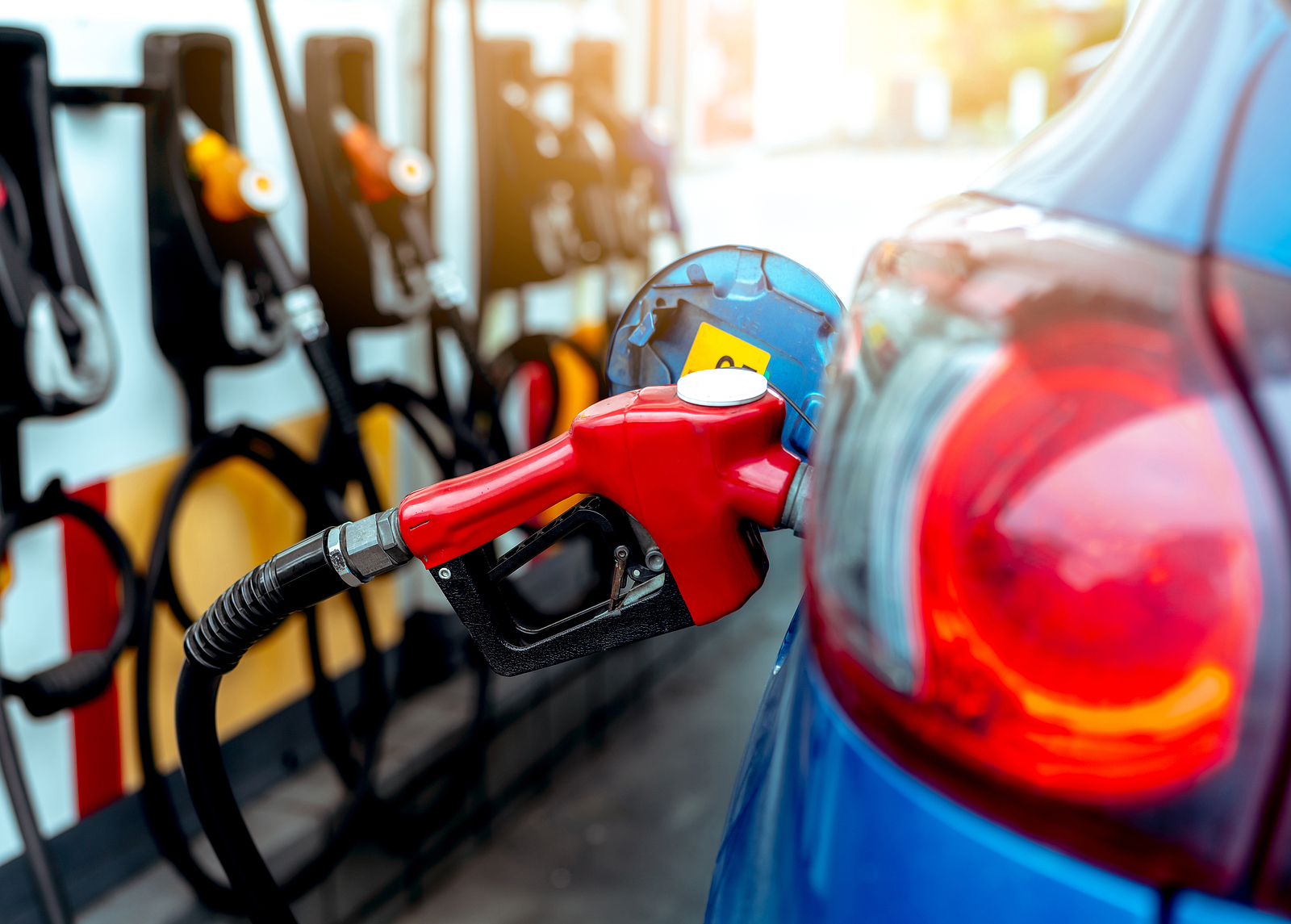
Motorists are being urged to look beyond the forecourt when it comes to understanding rising fuel prices, with the Irish Petrol Retailers Association saying independent operators have no control over wholesale costs or global oil markets.
The organisation said recent price increases are being driven by international supply pressures and taxation, not by retailers, many of whom are operating on extremely tight margins.
According to the Irish Petrol Retailers Association, most independent forecourts typically store between two and seven days’ worth of fuel in underground tanks.
However, the recent surge in demand meant many of those tanks were emptied in less than 24 hours.
When fuel supplies run low, retailers must immediately purchase replacement stock from wholesalers at the current market rate, meaning the price paid by forecourts can rise sharply during periods of volatility.
The association said this reality is often misunderstood by motorists who assume retailers are directly setting prices.
“Independent forecourts are doing their best to keep prices as low as possible, often working on margins of just one percent or less,” said David Blevings for the IPRA.
“The reality is that most of our members earn their living through shop sales, not from fuel margins.
“The idea that small local retailers are profiteering from rising prices is false.”
Industry representatives say global energy markets have been under pressure due to international tensions affecting supply chains.
In particular, disruptions linked to conflict involving Iran have had knock on effects across global oil markets.
Although Ireland does not source most of its oil directly from the Middle East, the Irish Petrol Retailers Association says global supply shortages still influence prices here because oil is traded in a global market.

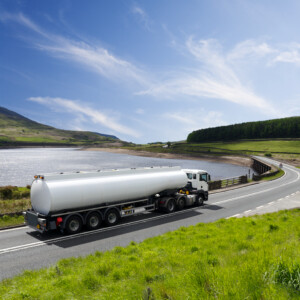
A fuel tanker truck hauling a load of gasoline/petrol to local retail gas stations.
Martin McSorley, an independent retailer and IPRA member, said international supply competition is one of the key drivers behind rising costs.
“Most of our oil doesn’t come from the North Sea,” he said.
“When around 20% of global oil supply that comes from the Middle East is suddenly restricted, all the countries that usually buy there start competing for supplies elsewhere.
“When demand rises like that, the cost goes up everywhere.”
The association also pointed to the significant role played by Government taxes in determining the final price motorists pay at the pump.
According to the IPRA, around 65 percent of the price of petrol and 60 percent of diesel goes directly to the Exchequer through a combination of excise duties, carbon tax and VAT.
Retailers argue that this means the majority of the price motorists pay is determined by taxation rather than retail margins.
“Our message is simple,” the spokesperson added.
“Independent retailers are local business owners trying to make an honest living while keeping communities moving.
“The biggest share of every litre sold goes to the Government, not the forecourt.”
The Irish Petrol Retailers Association represents hundreds of independently owned forecourts across the country.
The organisation says it continues to advocate for transparency in fuel pricing, fair regulation and policies that ensure a stable and sustainable fuel supply for motorists.
The group has also called on Government to reconsider the level of taxation applied to fuel, arguing that reducing taxes would have the most direct impact on the price drivers pay.