


What do Iran and Norway have in common?
Both of them qualified for the 1998 World Cup in France, and both nations are likely to have a Best Picture nominee at the Academy Awards next March.
If your time is really bloody urgent and you can’t read the rest of this review, go see It Was Just An Accident – it’s one of the best films of the decade.
For those who can stick around longer, it might help to know a bit about the director who has made such a masterwork.
Abbas Kiarostami is likely to be the first name that springs to mind when someone thinks of Iranian cinema, and since the passing of Kiarostami in 2016, Asghar Farhadi and the subject of this week’s review, Jafar Panahi, have flown the flag for Iran on the international film stage.
Unlike Kiarostami, Panahi has had a more complicated relationship with the Iranian regime, and in 2022, was arrested and banned from working after criticising the regime.
In early 2023, Panahi went on hunger strike to protest his treatment at the hands of the Iranian government and vowed to shoot his next film, guerrilla style, without permits and without permission from the Iranian authorities.
What resulted is one of the most extraordinary films of recent times, It Was Just An Accident.
With this film, Panahi translates his anger and sense of injustice with the Iranian regime into a searing, howling work of art that manages to transcend language barriers.
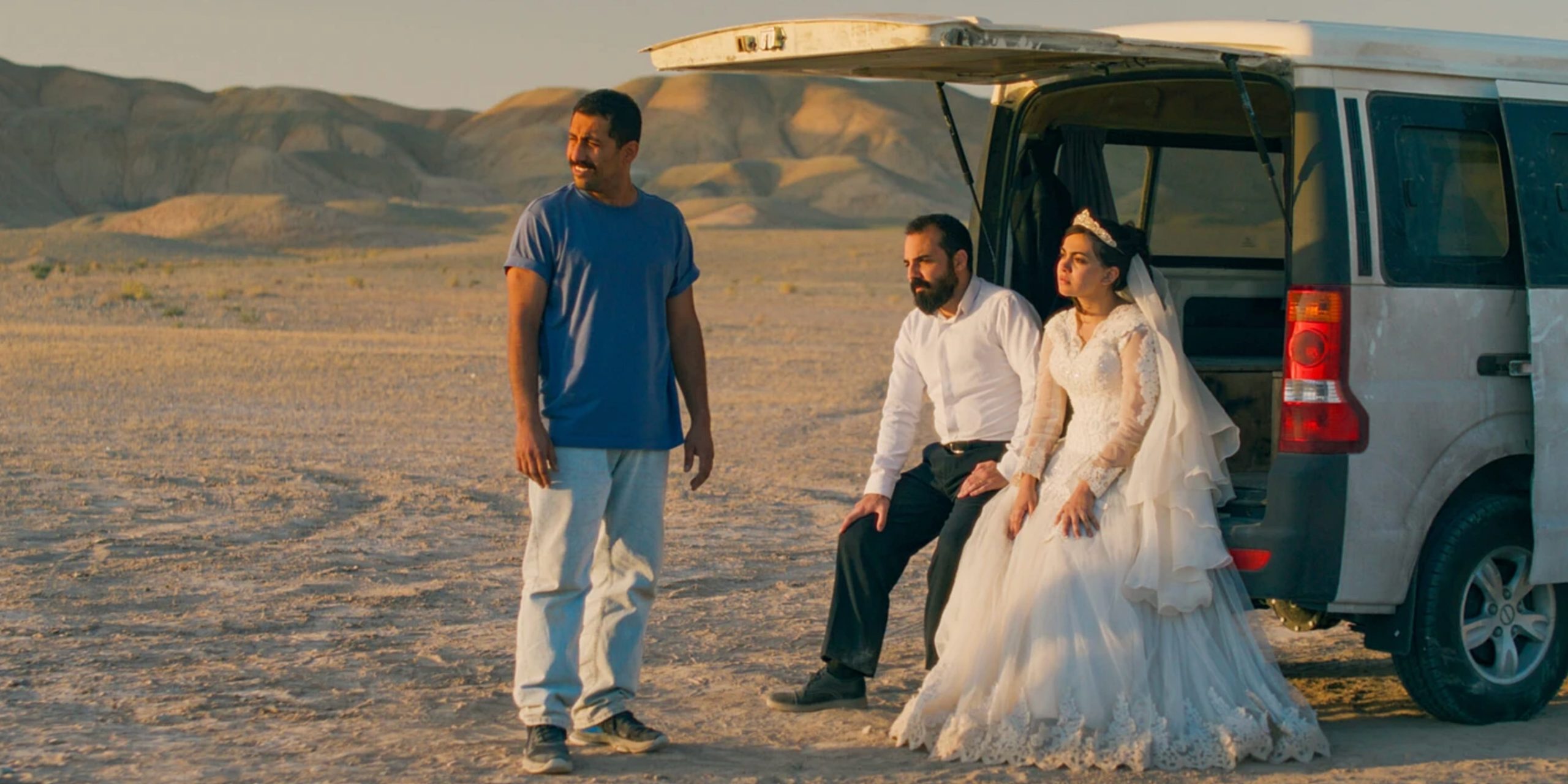
It Was Just An Accident follows a disparate group of people who all think they have something in common; a man kidnaps what he thinks is his former torturer and tries to bury him alive in the desert, but he cannot figure out his identity.
What follows is a surprisingly funny, but ultimately haunting trek through an authoritarian regime, as a mechanic gathers a scooby gang of a bride and groom, a photographer and a former political prisoner to figure out if the man in the back of the van is the one who crossed him all those years ago.
There is a surprising sense of humour and playfulness with this film that somehow works despite the grim subject matter.
When our hero realises he might not have the right guy half-buried alive in the desert, it has the same comedic sensibility as Fargo.
The ensemble is spectacular – this year, the Oscars will give out an award for Best Casting for the first time, and the casting director here deserves top marks for their work on this film.
Aside from how well-written the ensemble is, the performance of the unknown cast adds verisimilitude to the film; you don’t know the actors in this film from a hole in the ground, and that lends a lot of power to the proceedings.
The audience has no preconceived notion of the actors from their previous works; instead, they literally melt into their characters, much like how Ken Loach or Mike Leigh tend to cast unknowns to make their films as realistic as possible.
Casting nobodies in a film of this size works wonders for the subject matter; you truly believe these people have been wronged by the Iranian regime.
The film’s standout scene has Panahi simply leave the camera running and letting the characters vent and discuss their own experiences – and how they’ve been wronged – in the regime.
The camera is left running for the best part of 10 minutes, with no cuts and minimal camera movements; you can almost feel the desert wind, it’s like you’re right there with the characters.
In very simple terms, you wouldn’t get a film like this from Hollywood.
Earlier this year, the Brazilian film I’m Still Here deftly tackled the human impact of what it’s like to try to raise a family and live in the shadow of authoritarianism.
It Was Just An Accident is an angrier companion piece, and the fact that the same regime exists today only informs Panahi’s anger.
Where I’m Still Here had a tangible sadness to it – how does a family unit cope after someone is forcibly disappeared? – but It Was Just An Accident is the other side of the coin, what if the people who were wronged decide to enact their revenge?
Without getting into spoilers, the dramatic weight of the final act stems from the people who have been wronged debating whether they are as morally bankrupt as the regime if they commit similar acts of violence against the man who wronged them.
It’s a rich, dense text that could translate to any language or any culture.
Historically, directors such as Fritz Lang or Milos Forman fled their oppressive regimes (Nazi Germany in Lang’s case, a post-Prague Spring Czechoslovakia in Forman’s) and used that righteous anger to make some of the best art of their careers; the same thing has happened here.
Films like Wicked or Avatar don’t need support from critics; general audiences will go see those kinds of films regardless of what critics say.
Films of that scale and success keep the lights on for cinemas, so they can show films like It Was Just An Accident, films that, no, don’t have the widest commercial appeal, but pay for themselves in terms of artistic quality and excellence.
When the film is released in cinemas across Dublin from December 5, make every effort to go see it – buy, borrow or steal a ticket (not necessarily in that order).